


-

-
 Design Motel Marfa
 -

-
 Design Motel Marfa
 -
 Design Motel Marfa
 -
 Design Motel Marfa
 -
 Design Motel Marfa
 -

-

-

-

-

-

-

-

-


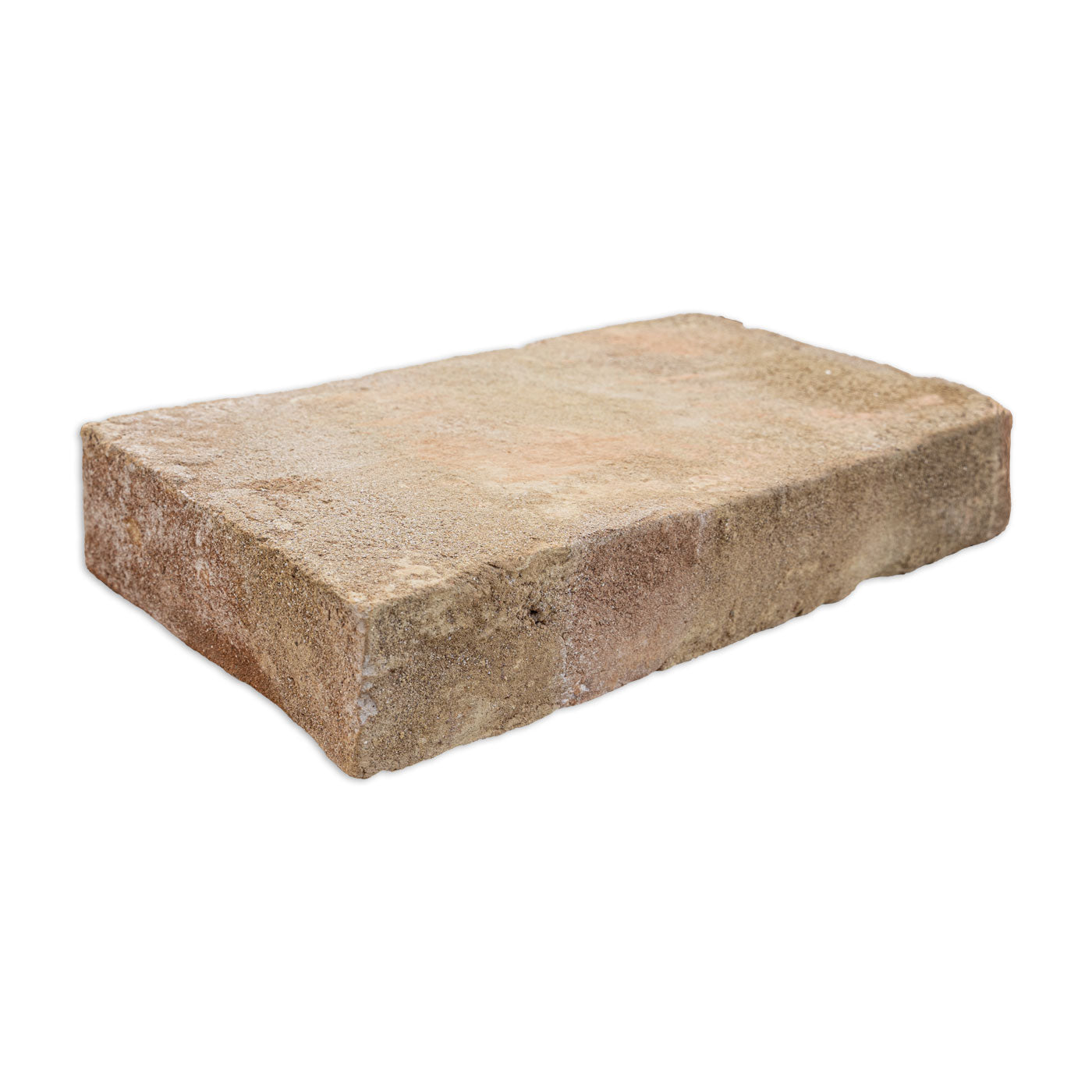
PAVERS
Made from richly packed clay and fired to perfection, these pavers bring an earthy, organic feel straight from our kiln to your project, timeless, raw, and beautifully imperfect.
Ultimate Paver Guide
Pavers are handcrafted from natural clay using traditional forming techniques before being slowly kiln-fired to create a durable, long-lasting terracotta paver. Because every piece is individually made rather than machine-pressed, each paver carries the warmth, texture, and character that define authentic handmade clay.
The result is a timeless material that celebrates natural variation while offering lasting performance for both residential and commercial projects.
Variation is part of what makes authentic handmade terracotta pavers special. Expect natural differences in size, texture, flatness, and color. Surface details such as gentle indentations, lime pops, divots, tonal shifts, excess clay, small edge chips, irregular markings, and visible distressing are normal and celebrated characteristics of true handmade clay, not defects.
The level of distressing varies by paver thickness.
- Thinner pavers tend to have a slightly more refined surface
- Thicker pavers are intentionally more rustic, featuring heavier texture, deeper variation, and occasional missing chips that enhance their old-world character.
No two pavers are exactly alike, and that individuality is what creates a warm, lived-in, and timeless finished installation. For the most balanced look, we strongly recommend dry-laying and blending pavers from multiple boxes during installation.
Although both are made from the same natural clay, thin and thick pavers are designed for different applications and installation methods.
Thin Pavers
- Designed for thinset and grout installation.
- Ideal for interior floors and select exterior applications in non-freeze climates.
- Sealing is recommended to help protect against moisture and simplify maintenance.
Thick Pavers
- Designed for traditional sand-set installation.
- Ideal for patios, walkways, courtyards, and other ground-level exterior applications in non-freeze climates.
- Typically installed without grout or sealer, allowing the installation to naturally drain and perform as intended.
Choosing the correct thickness ensures the best long-term performance, appearance, and installation for your project.

Usage
Recommended
- Thin = Interior & Exterior
- Thick = Exterior Only
- Thin Pavers: Interior flooring (entryways, kitchens, and living spaces)
- Thin Pavers: Exterior patios, walkways, and courtyards (non-freezing climates)
- Thick Pavers: Patios, walkways, courtyards, and garden paths
- Outdoor living spaces
Use With Caution
- Thin pavers in high-moisture interior areas (requires proper sealing)
- Freeze-thaw climates
- Installations without proper drainage
Not Recommended
- Thick pavers for interior use
- Freeze-thaw climates
- Areas with prolonged standing water
- Driveways or areas with vehicle traffic
Recommended
- Hospitality patios
- Restaurant patios
- Courtyards and plazas
- Retail walkways
- Pedestrian pathways
Use With Caution
- High-traffic pedestrian areas
- Freeze-thaw climates
- Installations requiring minimal maintenance
Not Recommended
- Vehicle traffic or drive lanes
- Commercial kitchens
- Standing water or submerged applications
-

THICK (2")
Thick pavers can be installed directly on sand, soil, or gravel without a solid subsurface, and will patina rapidly.
-

THIN (3/4")
Thin Pavers are designed to be installed like a conventional tile, for example, thin-set on top of a subsurface.
-

UNSEALED
It is essential to seal pavers (darkening the color variation is possible with penetrating sealers) and provide ongoing maintenance.
-

COLORATION
Colors and textures can vary significantly and natural color variation is uncontrollable, making each batch unique.


-


Baked Terracotta Paver 5x9.5x2.5
$9 per sq ftIN STOCK -


Baked Terracotta 16x16x1.25"
$6.85 per sq ftIN STOCK -


Baked Terracotta 8x16x1.25
$6.05 per sq ftIN STOCK -

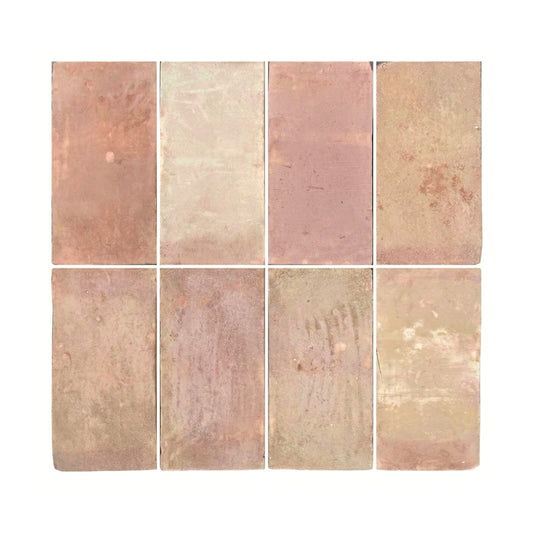
Terracotta Paver 6x12x3/4
$9.9 per sq ft -

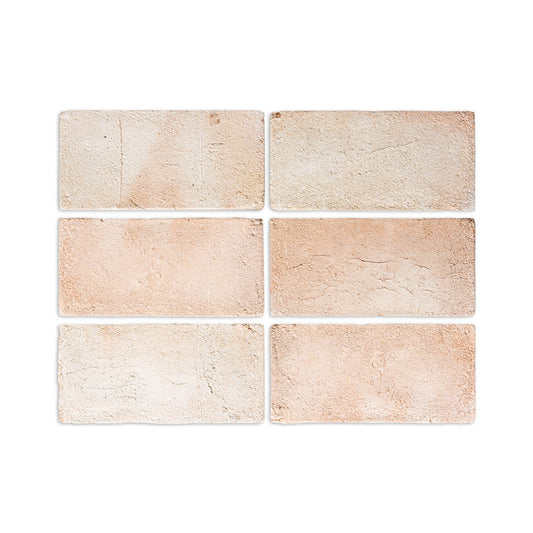
Terracotta Brick Paver 6x12x2
$8.8 per sq ftIN STOCK -


Terracotta Paver 12x12x3/4
$7.2 per sq ft


