


Why Do Handcrafted Tile Glazes Vary?
Understanding the processes that help explain why glazed ceramic tiles may vary within an order and between...
Read More


Natural Saltillo
Unsealed earthy tone • Porous & authentic.
Gloss & Satin Sealed
Pre-sealed • Easy maintenance & rich gloss.
Cotto & Heavy Pavers
Thick, high-durability clay for outdoors.
Glazed & Zellige
Hand-painted glass glaze • Water resistant.
Specialty D'Hanis Red
Deep crimson clay • Premium dense series.
Order Sample Pack
Touch and compare all 5 finishes at home.
Natural Saltillo
Unsealed earthy tone • Porous & authentic.
Natural Hex
Classic hex formats in raw terracotta.
Order Sample Pack
Feel the natural finish before you commit.
Cotto & Heavy Pavers
Thick, high-durability clay for outdoors.
Specialty D'Hanis Red
Deep crimson clay • Premium dense series.
Order Sample Pack
Compare dense specialty clay at home.
Glazed & Zellige
Hand-painted glass glaze • Water resistant.
Zellige Colors
Vibrant protective glazes for walls & accents.
Order Sample Pack
See glaze depth and sheen in person.
Natural Saltillo
Unsealed earthy tone • Porous & authentic.
Gloss & Satin Sealed
Pre-sealed • Easy maintenance & rich gloss.
Cotto & Heavy Pavers
Thick, high-durability clay for outdoors.
Glazed & Zellige
Hand-painted glass glaze • Water resistant.
Specialty D'Hanis Red
Deep crimson clay • Premium dense series.
Order Sample Pack
Touch and compare all 5 finishes at home.
Natural Saltillo
Unsealed earthy tone • Porous & authentic.
Gloss & Satin Sealed
Pre-sealed • Easy maintenance & rich gloss.
Cotto & Heavy Pavers
Thick, high-durability clay for outdoors.
Glazed & Zellige
Hand-painted glass glaze • Water resistant.
Specialty D'Hanis Red
Deep crimson clay • Premium dense series.
Order Sample Pack
Touch and compare all 5 finishes at home.

Understanding the processes that help explain why glazed ceramic tiles may vary within an order and between...
Read More
Learn how to install an outdoor breeze block wall with this complete step-by-step DIY guide.
Read More


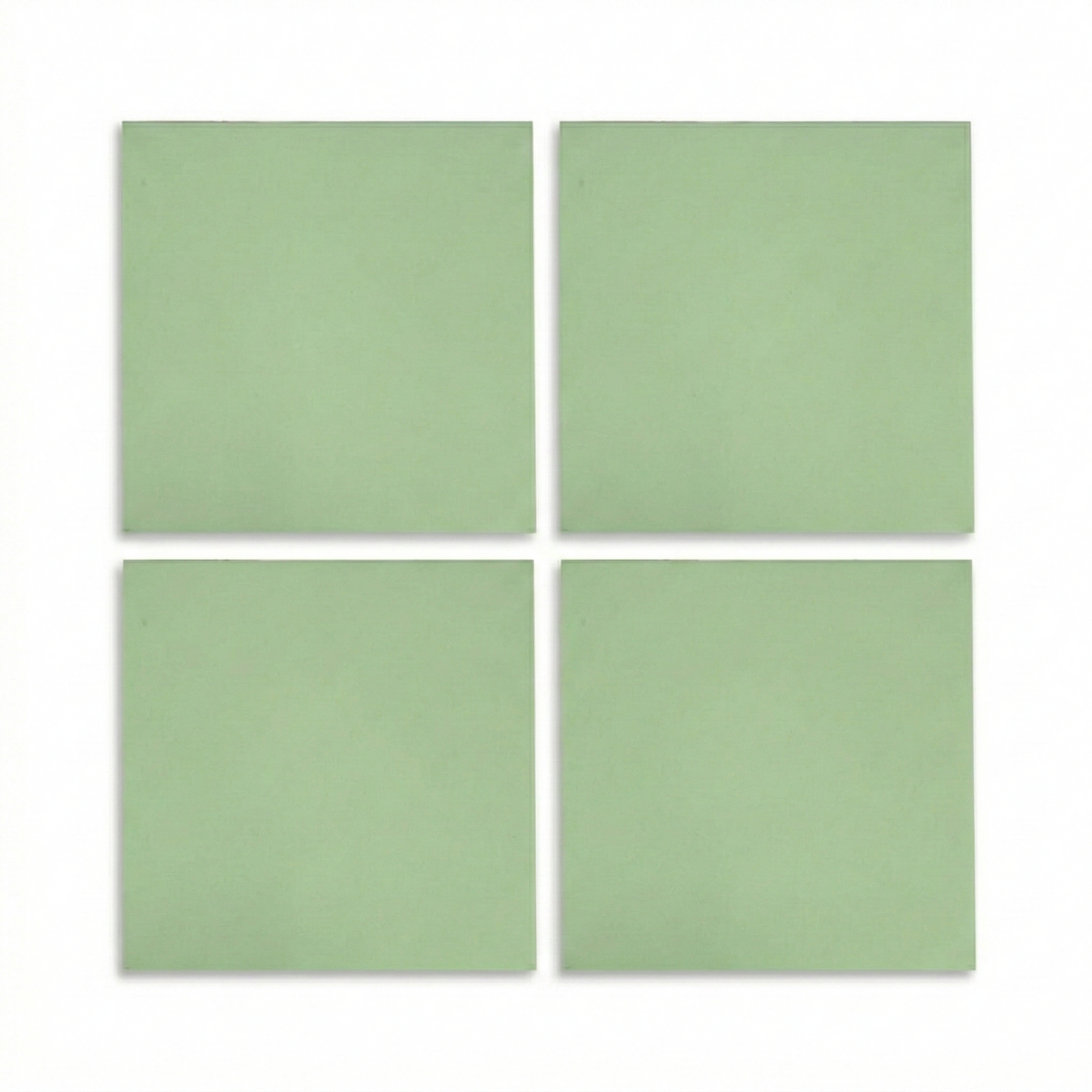


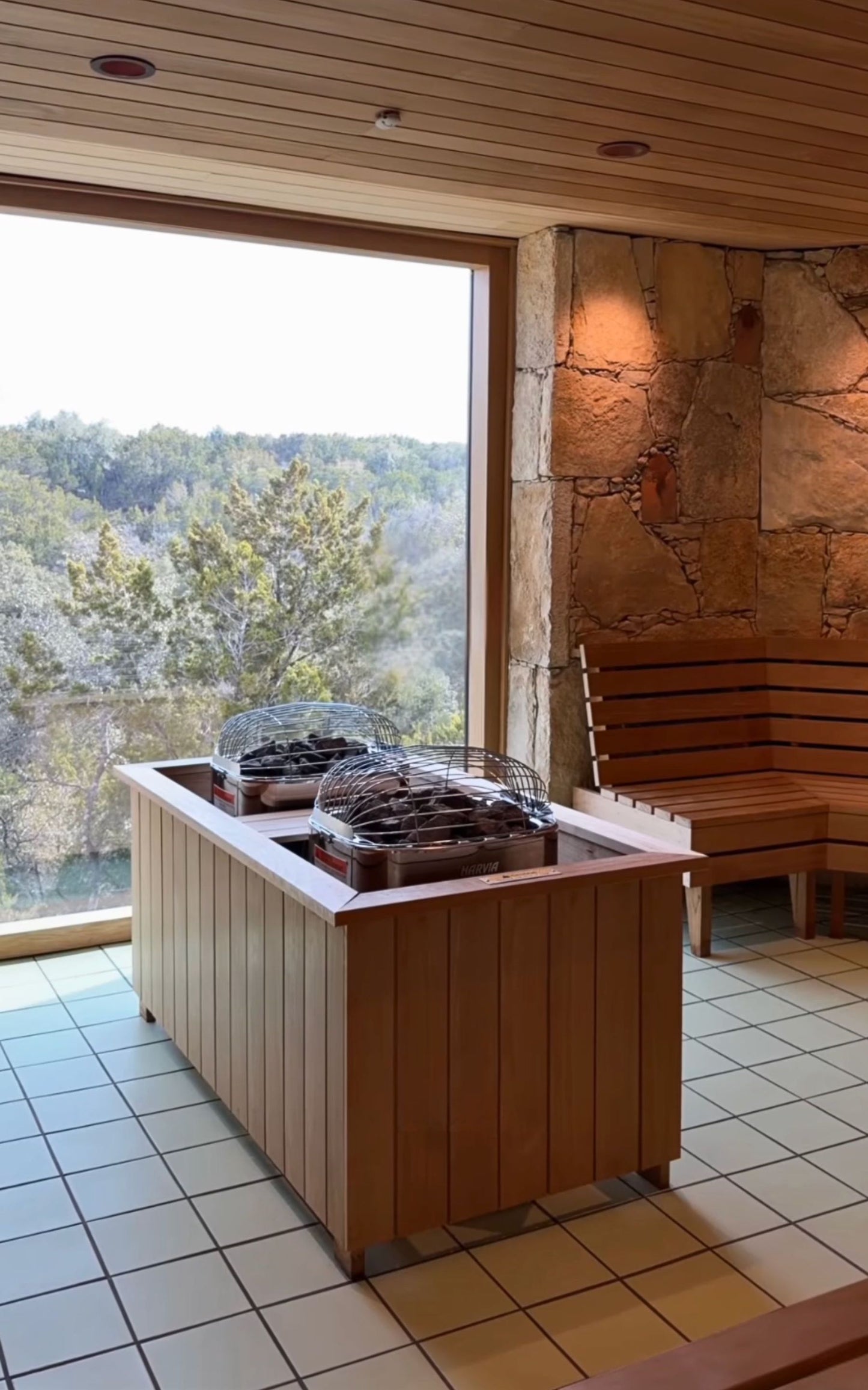
Formed by hand and kiln-fired, each tile may exhibit natural variation in color, texture, and shape. These characteristics are part of the material and its production process.
Each tile is formed from natural clay and kiln-fired to create a durable, long-lasting surface. The glazing process adds both color and protection, resulting in a finish that is easy to clean while still reflecting the character of handcrafted production.
No two tiles are exactly the same, giving installations a natural, layered look that feels more architectural than manufactured.
Handcrafted tile may exhibit differences in color, tone, dimensions, surface texture, flatness, and edge straightness. Minor irregularities are expected characteristics of the material and may vary from tile to tile.
Variations in size, flatness, and edge straightness can be more noticeable with tighter grout joints. For best results, a grout joint of at least 1/8" is generally recommended, depending on the tile collection and installation requirements.
Ceramic glazes can vary in color, shade, tone, sheen, and surface appearance due to differences in raw materials, glaze application, and kiln firing. Expected characteristics may include speckling, black spotting, minor pinholes, mottling, and color pooling.
Variations can occur within the same order and between production batches. Even when the same glaze is used, differences may be noticeable, and samples or previous orders may not represent the exact appearance of future production.
Glazed clay tile is highly durable and designed to perform well in both residential and light commercial environments.
The glazed surface resists staining and moisture, making it suitable for kitchens, bathrooms, and other high-use areas. With proper installation and care, the tile maintains its appearance over time without the need for sealing.


