Why Do Handcrafted Tile Glazes Vary?
Understanding the processes that help explain why glazed ceramic tiles may vary within an order and between...
Read More


Understanding the processes that help explain why glazed ceramic tiles may vary within an order and between...
Read More
Learn how to install an outdoor breeze block wall with this complete step-by-step DIY guide.
Read More


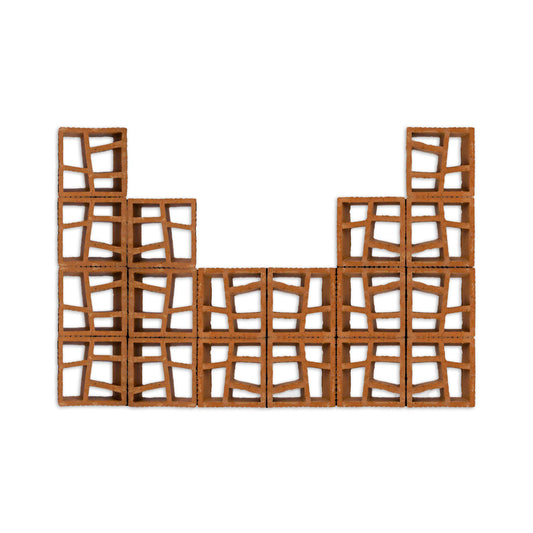
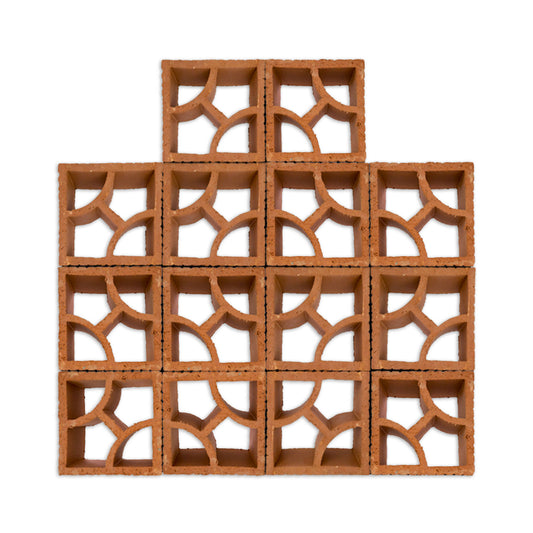
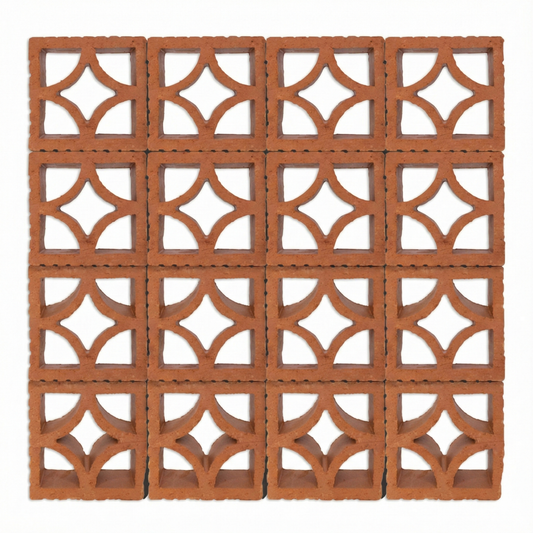
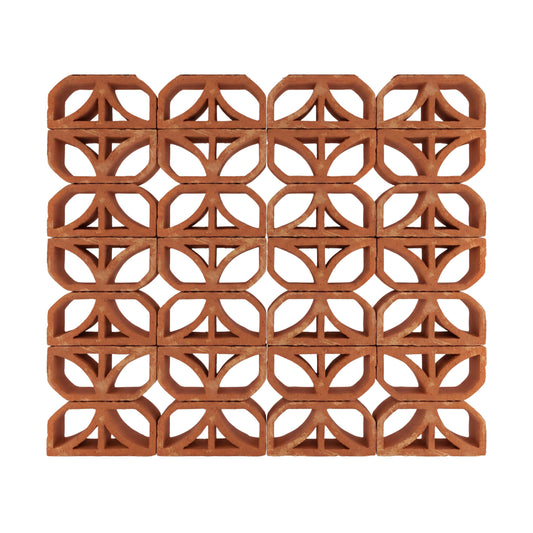
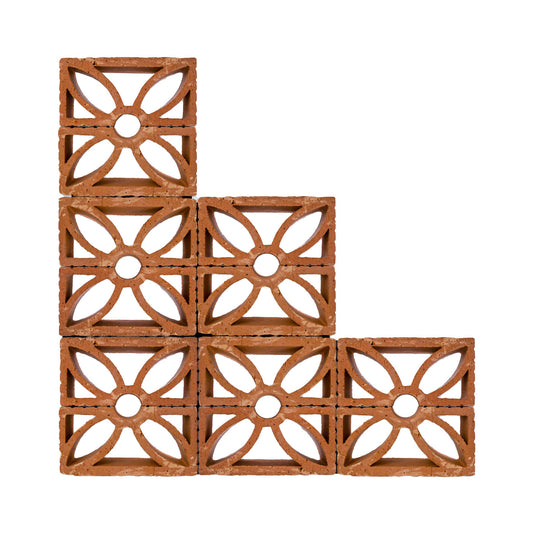
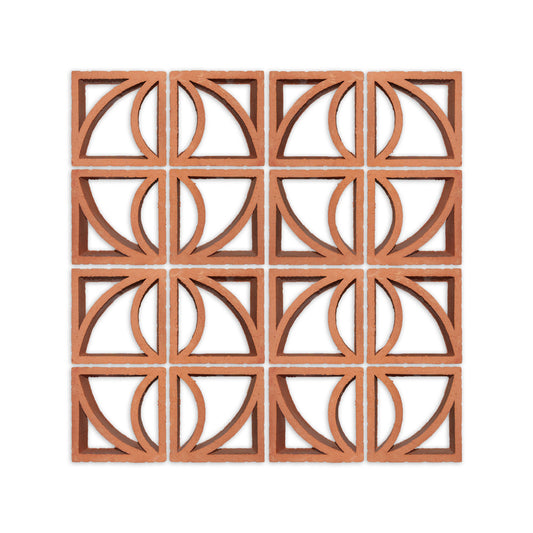
Breeze blocks bring texture, airflow, and architectural character to indoor and outdoor spaces. For the best results, install over a stable surface, use the proper materials, and consult a professional mason before beginning your project.
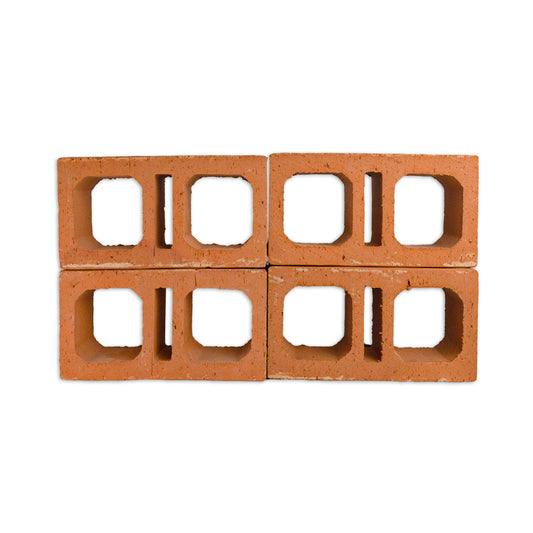
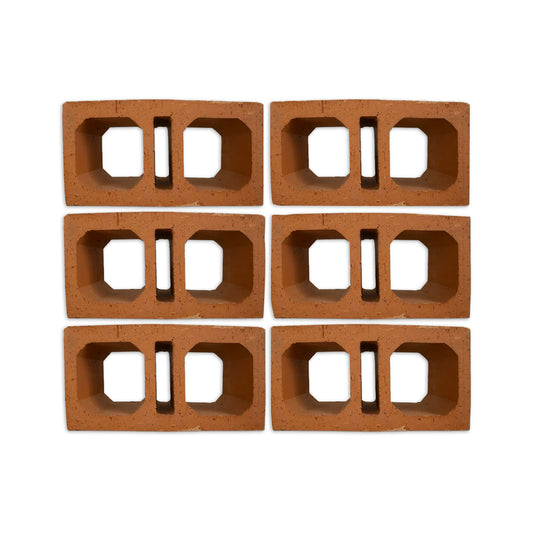
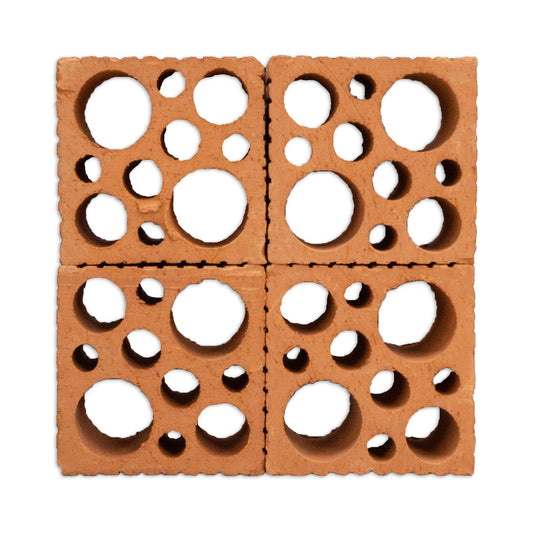
Our breeze blocks are crafted in Mexico using natural clay from Central Mexico. Each piece is extruded through a patterned die, then fired for strength and durability.
Produced in a 100% solar-powered factory, they combine traditional craftsmanship with responsible manufacturing.
Breeze blocks should always be installed over a stable, level surface such as concrete using proper masonry materials. Do not dry stack or install over sand, gravel, or shifting substrates. Avoid installation in freezing conditions.
Our installation guidance is intended as a general framework. Because every project is different, we strongly recommend working with a professional mason, architect, or engineer to determine the best installation method, materials, and reinforcement strategy.
For detailed recommendations, refer to our Ultimate Breeze Block Guide.
Breeze block installations should be evaluated as part of the overall structural design, especially for freestanding or large-scale walls. Requirements will vary based on wall height, span, exposure, and site conditions.
Structural planning may include reinforcement, anchoring to adjacent structures, or integrating support elements such as bond beams or vertical steel.
Because these conditions vary by project, a qualified professional should determine the appropriate structural strategy to ensure long-term stability and performance.

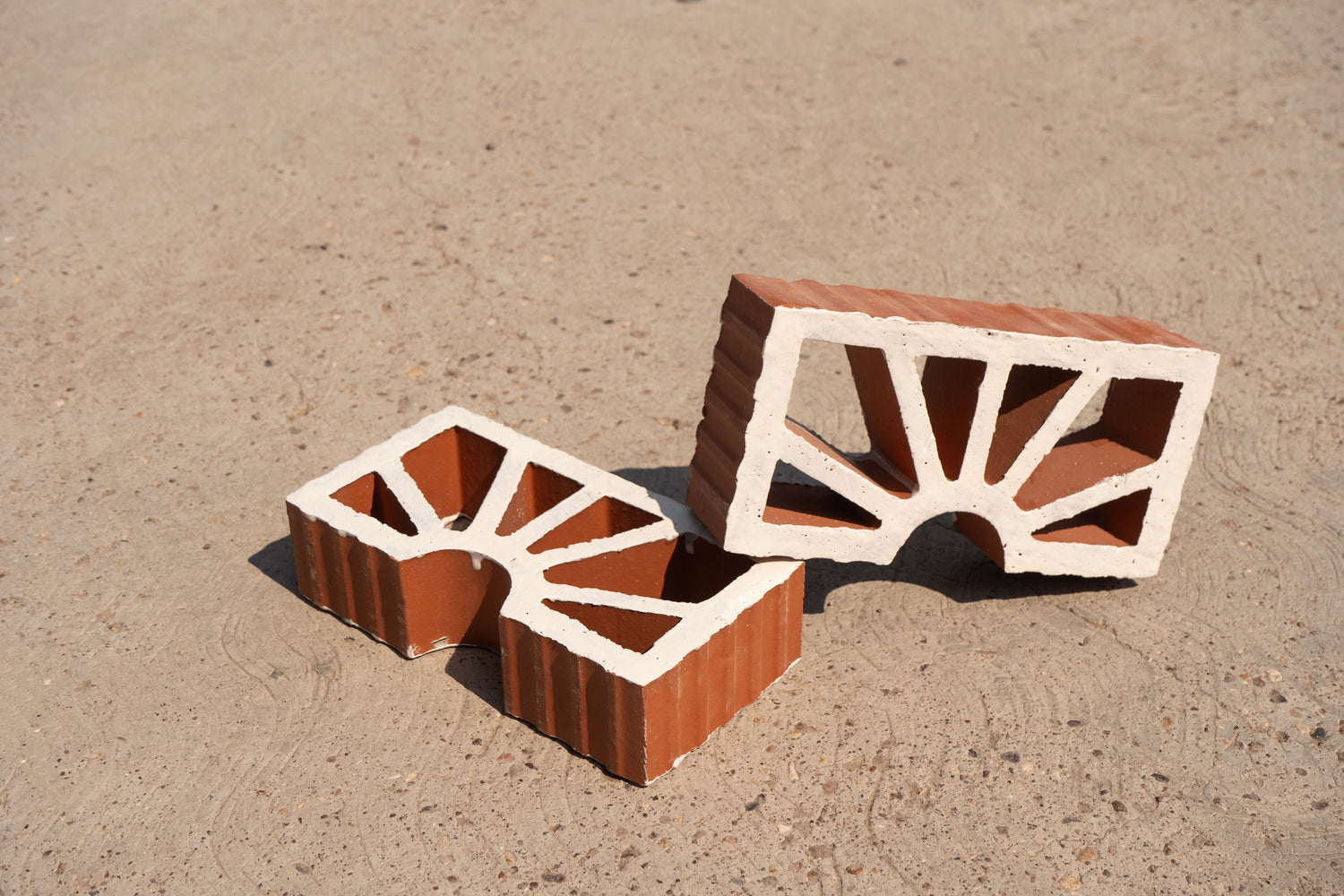
We are the pioneers of glazed terracotta tiles and now bring you the first-ever glazed breeze blocks. Unlike painted blocks that require maintenance, glazed breeze blocks are double-fired for durability and water resistance, offering superior performance in any setting.