An Easy Tutorial for Painting Terracotta Breeze Blocks
By Clay Imports
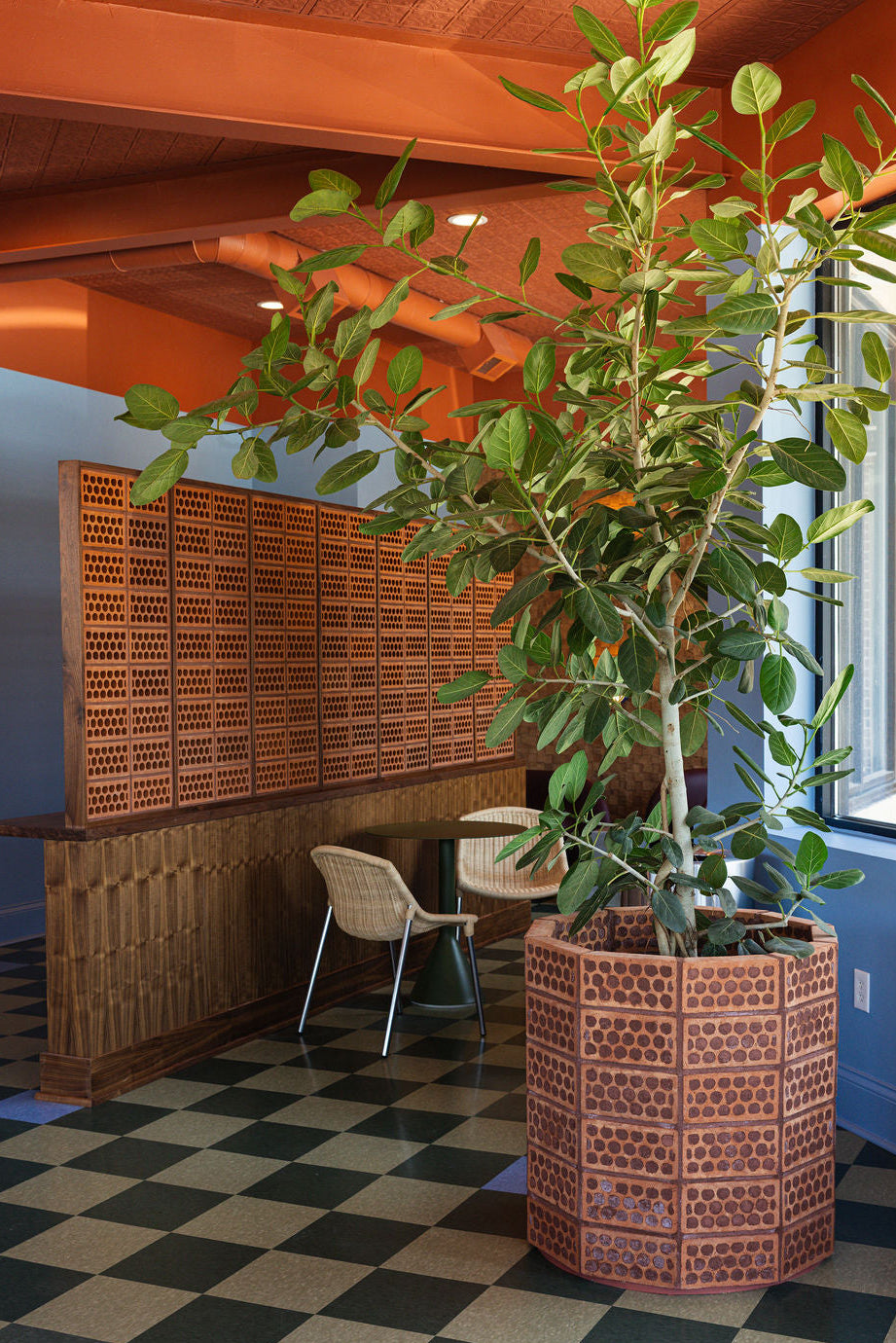
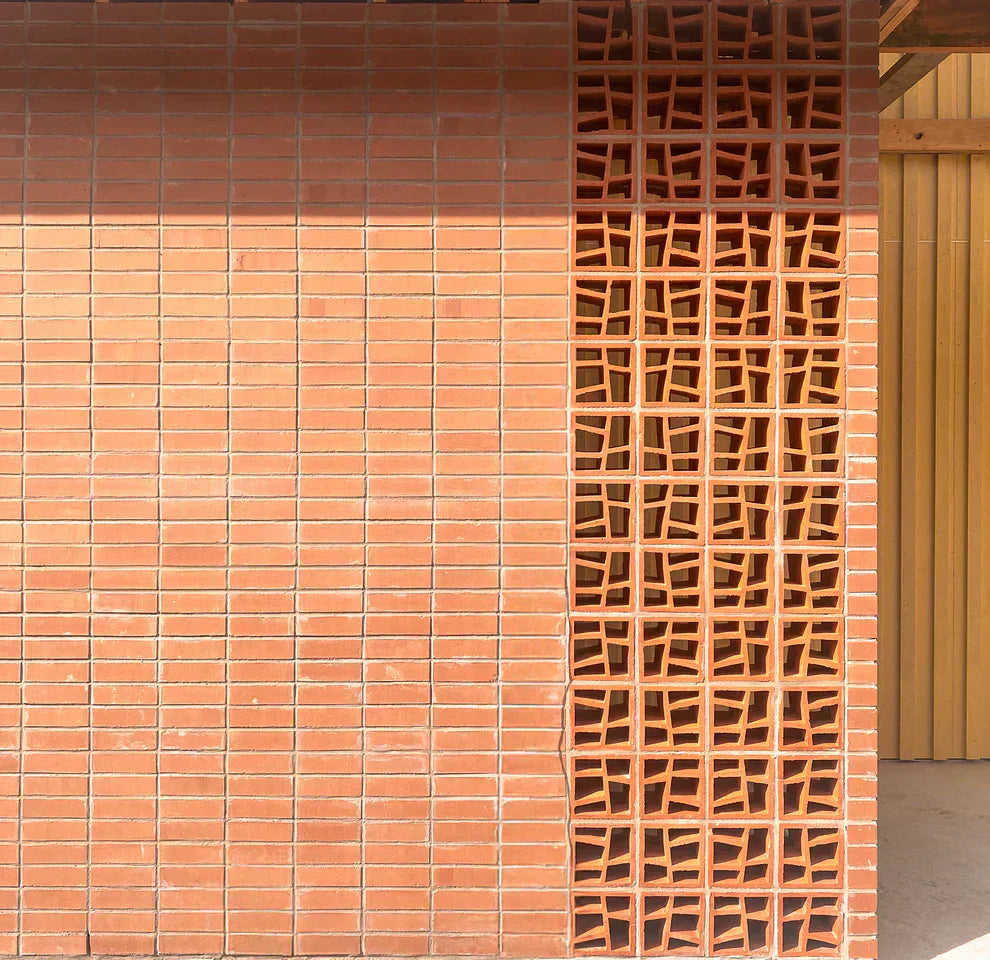
If you're familiar with Clay Imports, you may already know about our terracotta breeze blocks. While these blocks look stunning in their natural terracotta finish, some customers prefer to add color to complement their space.
So, can you paint terracotta breeze blocks? Absolutely. In this guide, we'll show you how to paint breeze blocks before installation, as well as how to paint an existing breeze block wall.

Before getting started, remember that our breeze blocks, like all Clay Imports terracotta products, are handmade. Natural variations in color, texture, and sheen are inherent characteristics of terracotta and are not considered defects.
We highly recommend ordering samples before making a final purchase so you can see and appreciate these natural variations firsthand.
- Materials You'll Need
- What Paint Should I Use for Breeze Blocks?
- How Do I Apply Paint to Breeze Blocks?
- How Do I Paint an Already Installed Terracotta Breeze Block Wall?
- Caring for Your Terracotta Breeze Blocks
- Shop Terracotta Breeze Blocks

Materials You'll Need
- Dust brush
- Masonry paint
- A container large enough to dip the breeze block
- Gloves (optional)
Breeze blocks can be painted either before or after installation. However, if you paint breeze blocks after installation, you'll also paint the mortar or cement between the blocks.
For this tutorial, we're focusing on painting breeze blocks before installation. This method allows the mortar to remain unpainted, creating a contrasting tone within your breeze block wall.
What Paint Should I Use for Breeze Blocks?
The first step is choosing the right paint.
For this tutorial, we use Behr masonry paint, but other options can work well too. Whichever product you choose, make sure the paint is suitable for outdoor use if your breeze blocks will be installed outside. It should also be designed for brick, masonry, or similar porous surfaces.

Always follow the paint manufacturer's application instructions.

Although following these steps should result in a durable finish, we recommend testing your paint and application method on a few breeze blocks before painting your entire order.
How Do I Apply Paint to Breeze Blocks?
Before painting, make sure your breeze blocks are completely free of dust and debris. Use a dust brush to thoroughly clean each block.

Breeze blocks can be painted on one side or on all sides, depending on the look you're trying to achieve.
For this tutorial, we're using the dipping method. Instead of applying the paint with a brush, we dip each breeze block entirely into the masonry paint.
 Dipping breeze blocks can be faster than painting them individually and makes it easier to coat the block's openings, edges, and hard-to-reach areas.


You can also use a paintbrush or paint sprayer, depending on your project and the design of your breeze blocks.
Keep in mind that even when breeze blocks are properly painted, the finish may chip over time. If this happens, the natural terracotta color underneath the paint may become visible. This contrast can become part of the character of the installation, but it's something to consider when selecting your paint color.

Important: If your breeze blocks have been completely dipped in paint, use an appropriate construction adhesive when installing them rather than relying on mortar to bond directly to the painted surface.
How Do I Paint an Already Installed Terracotta Breeze Block Wall?
You can also paint terracotta breeze blocks after they've been installed.

First, thoroughly clean the wall using a degreaser or detergent suitable for masonry, such as a concrete driveway cleaner. Removing dirt, dust, grease, and other residue will help the paint adhere properly.
For an exterior wall, you can rinse the surface with a garden hose after cleaning. For an interior wall, wipe the blocks with the cleaner and a damp sponge. Allow the breeze block wall to dry completely before painting.
Once the wall is clean and dry, an airless paint sprayer is generally the easiest way to apply an even coat. Dipping obviously isn't possible once the blocks are installed, and using a brush can make it difficult to reach the blocks' openings and crevices.

If you're using a masonry paint labeled “no primer required,” follow the manufacturer's directions and apply it with your sprayer. If your chosen paint requires primer, apply the appropriate masonry primer before painting.
Always follow the paint and sprayer manufacturers' instructions regarding preparation, application, drying time, and the number of coats required.
Caring for Your Terracotta Breeze Blocks
Whether you keep your breeze blocks in their natural terracotta finish or choose to paint them, proper care can help keep your installation looking its best.
Our Clay Care products have been tested with Clay Imports products and are designed to help maintain and protect terracotta surfaces. From sealers to cleaners, ordering the appropriate maintenance products with your tile or breeze blocks can make ongoing care easier.
Shop Terracotta Breeze Blocks
Ready to start your project? Explore our terracotta breeze block collection online.
We recommend ordering samples before placing your full order so you can experience the natural color, texture, and variation of handmade terracotta in person.
We can't wait to see how you use Clay Imports terracotta breeze blocks in your project!
Have questions about breeze blocks, installation, or care? Contact us at contact@clayimports.com.

Disclaimer: Since the installation of tile greatly determines the integrity of the project and the tile itself, Clay Imports does not warrant this product and is not responsible for dissatisfaction with the material following installation. Please inspect all tiles upon receipt and notify us immediately if you have any quality concerns. This guide is meant to serve as a general resource. Because each project is unique, consult your tile installer before installing your tile.