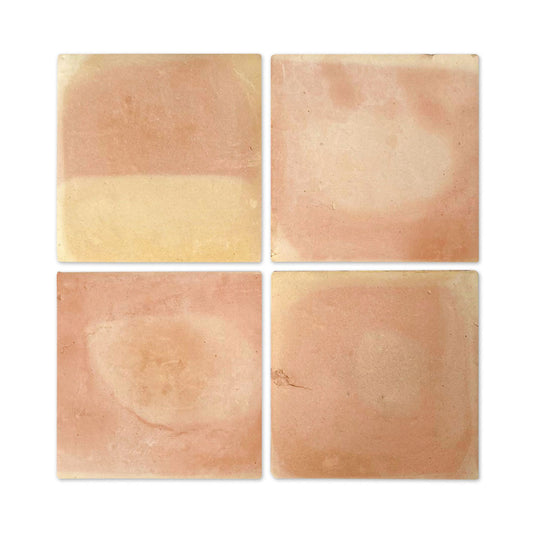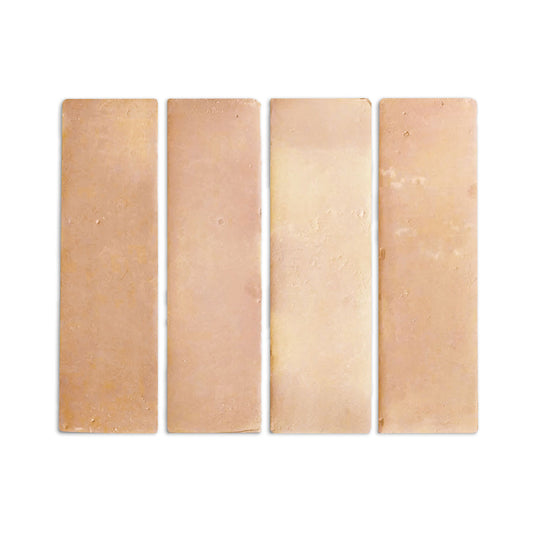


Antique Matte 12x12
Antique Matte 12x12

Plan ahead with 10–15% extra tile to cover natural variation and keep your project running smoothly.
SPECS
SPECS
- Size: 12"x12"
- Actual Size: 11 3/8"x11 3/8"
- Products are handmade and sizes may vary from piece to piece
- 1 sq.ft.: 1 pc
- Thickness: 3/4"
- Finish: Matte Sealed
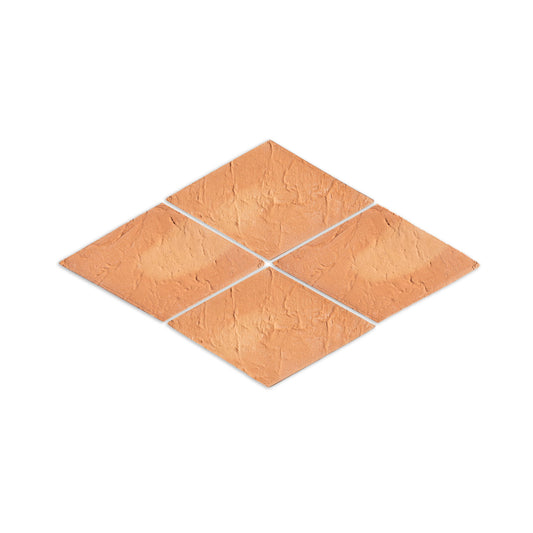
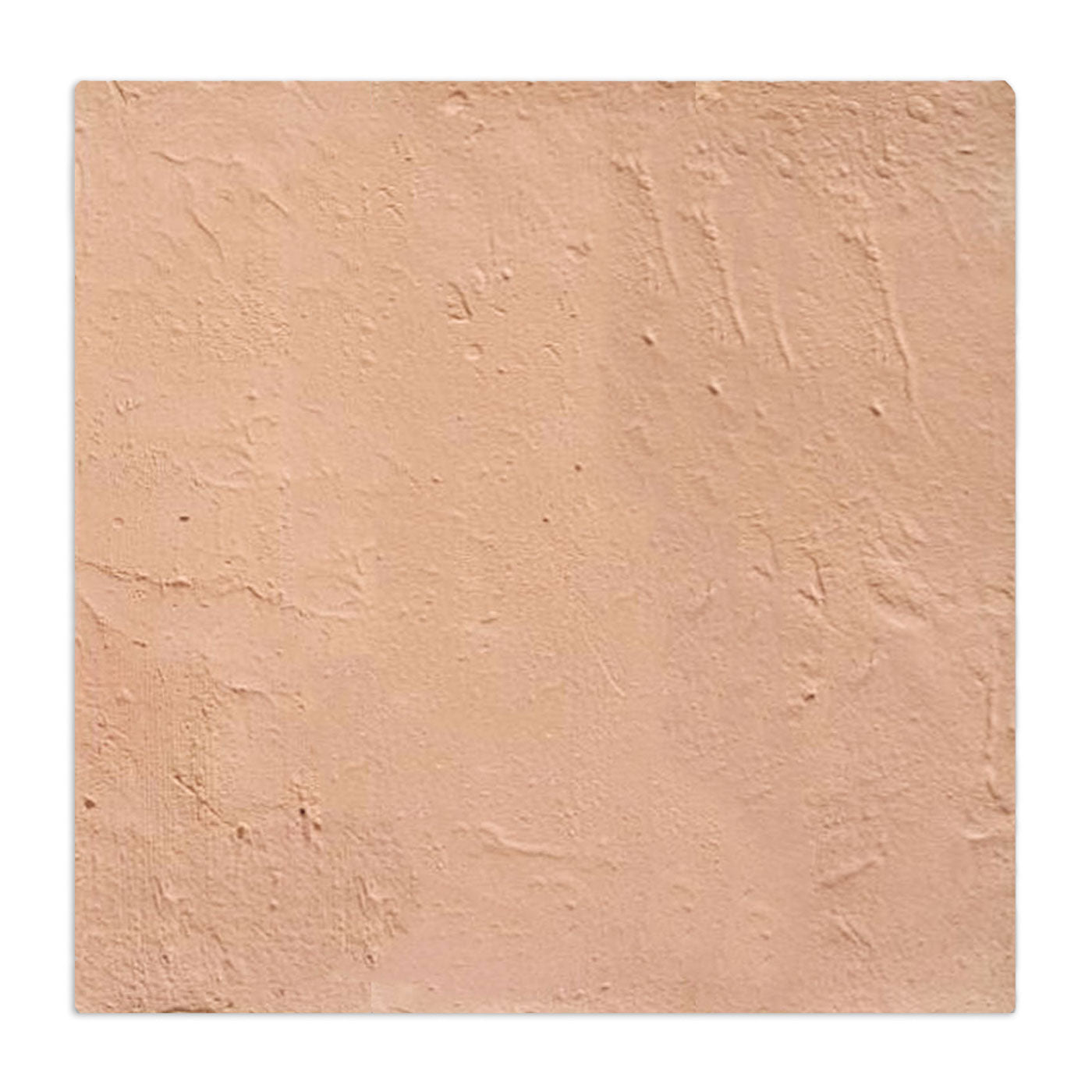
- Texture: Antique (Distressed)
- Material: Saltillo Terracotta
- Variation: V3
USAGE
USAGE
Terracotta tiles are sealed, making them a suitable for:
INTERIOR
- Interior flooring (may require additional sealing, maintenance, can patina, darken or stain on floors, if left untreated)
- Heated flooring systems (e.g., Ditra system)
- Mudrooms, Laundry, Entryway
- Kitchen backsplashes / island
- Bathroom floors (may require additional sealing, maintenance, can patina, darken or stain on floors, if left untreated)
- Fireplaces (surround)
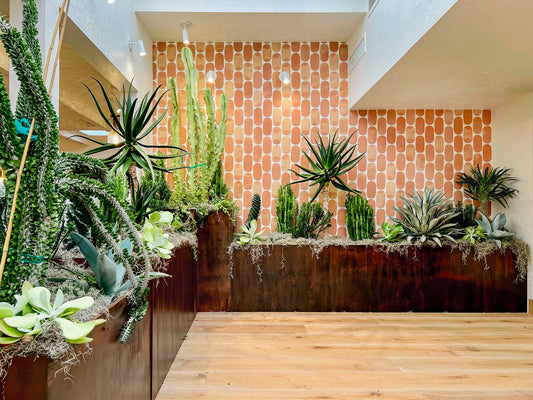
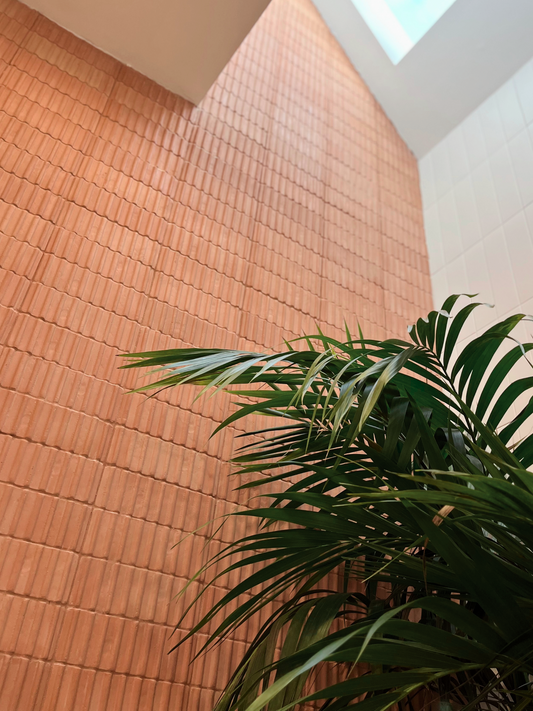
- Decorative walls
- Commercial vertical surfaces (ie. restaurants, bars, retail stores, and offices)
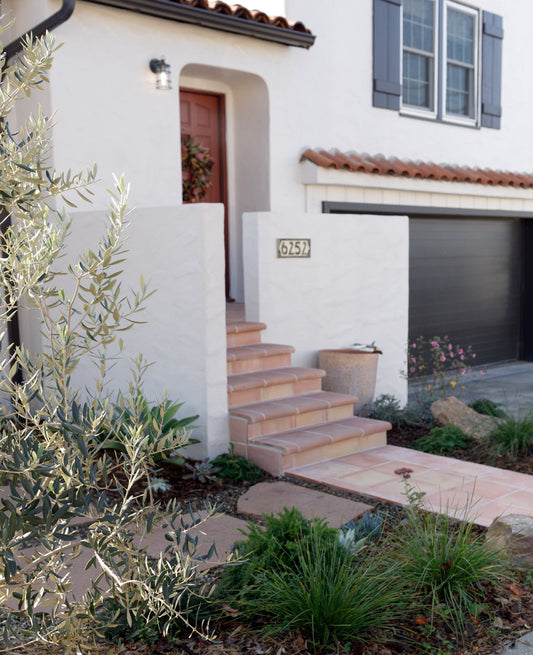
- Stair risers
EXTERIOR (Requires waterproofing, sealing and maintenance)
- Exterior flooring (patios and porches in temperate climates)
- Outdoor kitchens (mild climates)
- Most exterior areas not directly exposed to harsh or frequent freezing
Avoid use in these areas:
- Areas exposed to harsh or frequent freezing temperatures
- Commercial kitchens (floors or walls - does not apply to residential)
- Steam rooms
- Shower walls and floors
- Frequently wet areas




From inspiration to installation
PRODUCT DETAILS
HOW IT'S MADE
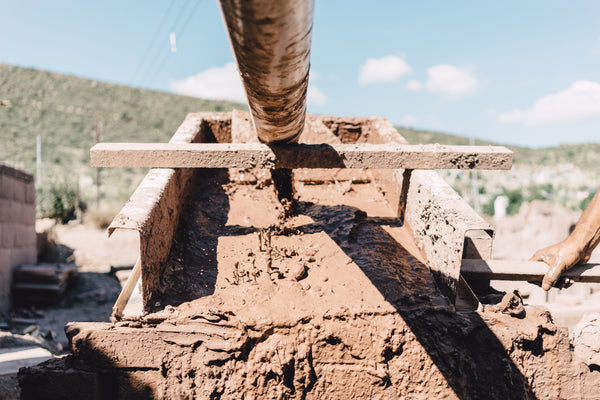
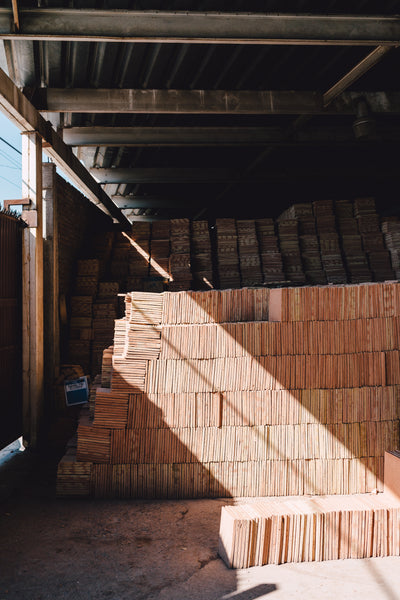
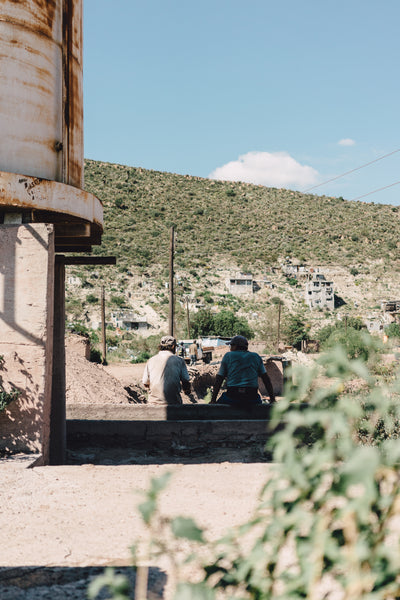
Saltillo tiles originate from Saltillo, Coahuila in northwest Mexico. Just as Champagne must be produced in the Champagne region of France, authentic Saltillo tiles must come from this specific Mexican region.
Clay is sourced from the surrounding area to produce Natural Terracotta tiles. The manufacturing process is carried out by generations of skilled craftsmen who take pride in their tradition.
GROUT
TYPE
We recommend Mapei Natural Saltillo grout for Natural Terracotta tiles.
JOINTS
Saltillo tile joint spacing can be as wide as 3/4” and as narrow as 1/4”. Generally, smaller joint sizes are used with smaller tiles (6” and under) and tend to look more modern.
Larger joints are used with larger format tiles to accommodate for irregular sizing of handmade tiles while maintaining straight joints and their traditional aesthetic.
TRIM
We provide a selection of trim pieces specifically designed for our natural terracotta, which you can explore below. Or, we have some other creative ideas for you to consider.
Bullnose: Versatile transition piece suitable for floors or walls, featuring a rounded bullnose edge for smooth surface transitions.
Coping: Ideal for stairs or steps, offering a smooth, curved design.
Miter Cut: Easily create 45-degree angles for corners, niches, and edges with miter cuts.
Exposed Edge: Embrace the natural look by leaving edges unfinished. Remember to seal your edges!
If you're looking for some inspiration on how to smoothly transition from one type of flooring to another, check out our helpful floor transition blog.
Wood Transition: You can use a matching wood door transition piece for a seamless shift from terracotta to wood flooring, creating a connection. It may have a slight elevation depending on the installation surface heights.
Schluter Trim: A versatile choice for both floors and walls, this aluminum trim makes transitioning between surfaces a clean and simple.
From inspiration to installation
PRE-SEALED FOR EASY INSTALLATION
PRE-SEALED
Matte-sealed terracotta tiles are delivered with a factory-applied pre-seal to simplify installation and grouting. This pre-seal is intended as a starting point, not a final protective layer.
To maintain the appearance and performance of the tile, a topcoat sealer must be applied after installation, and periodically thereafter depending on use.
For optimal stain resistance and easier maintenance, we recommend applying our Ultra Low VOC sealer as a topcoat. This surface-forming sealer offers significantly more protection than penetrating sealers alone and is ideal for kitchens, bathrooms, entryways, and other active spaces. It adds a very subtle low sheen and may slightly deepen the color.
For vertical or low-contact surfaces where a fully matte look is preferred, our Penetrating Sealer (matte finish) may be used, with the understanding that stain resistance will be more limited.
Why a topcoat matters
- Provides substantially greater stain resistance than factory or penetrating sealers alone
- Seals both tile and grout for more consistent protection
- Improves durability and performance in real-world residential use
- Top coat sealers are different from the factory sealant and offers an extra layer of protection, by enhance their durability especially for high traffic areas.
RESEALING FREQUENCY
The timing for resealing can vary based on several factors, including the level of foot traffic, aesthetic preferences, and the overall usage. There isn’t a fixed timeline for resealing; it depends on the specific circumstances of your space.
Some choose to reseal after 1 year, 3 years, 5 years, or decide to forgo resealing altogether. To check if it’s time for resealing, look for signs such as noticeable changes in color or water no longer beading on the surface. If liquid absorbs instead of repels, it's a good indicator that resealing is recommended. Ultimately, the decision to reseal is tailored to each project and reflects individual preferences.
MAINTENANCE
Regular maintenance is essential for preserving the beauty and longevity of handmade terracotta tile.
For routine cleaning, sweep or vacuum regularly to remove dirt and debris. For deeper cleaning, use a damp mop with warm water and a pH-neutral cleaner such as our Palo Santo Cleaner Concentrate.
Important maintenance notes
- Avoid bleach, ammonia, acidic cleaners, or degreasers, as these can damage sealers and discolor terracotta.
- Dish soaps may leave residues that attract dirt and should not be used for regular cleaning.
- Always rinse thoroughly and allow the surface to dry completely.
Addressing stains
Matte terracotta can absorb oils and moisture if not fully protected. For stubborn stains, a stone-safe poultice or slightly more abrasive cleaner may be used after testing in an inconspicuous area. Persistent staining typically indicates the need for a more protective topcoat sealer.
Preventative care
- Wipe spills promptly, especially oils and liquids
- Use rugs or mats in high-traffic or moisture-prone areas
- Reapply protective sealer periodically based on wear and use
For those seeking the most practical, low-maintenance experience, we strongly recommend sealing with Ultra Low VOC Sealant from the start.

SHEEN | SEALANT
MATTE SEALED
Matte pre-sealed terracotta preserves the most natural color and character of terracotta, but it does not provide the highest level of stain protection.
These tiles are factory sealed to offer basic water resistance. However, because terracotta is inherently porous, matte sealed tiles can still absorb oils, moisture, and everyday contaminants, even when a penetrating sealer is used. In high-traffic or moisture-prone areas, natural darkening and patina should be expected over time. For most applications, additional sealing after installation is strongly recommended.
First, our Ultra Low VOC Sealant (semi-gloss finish) can be used. For vertical surfaces, we recommend using our Penetrating Sealant (matte finish) for stain protection.
COLOR
"TERRATONES"
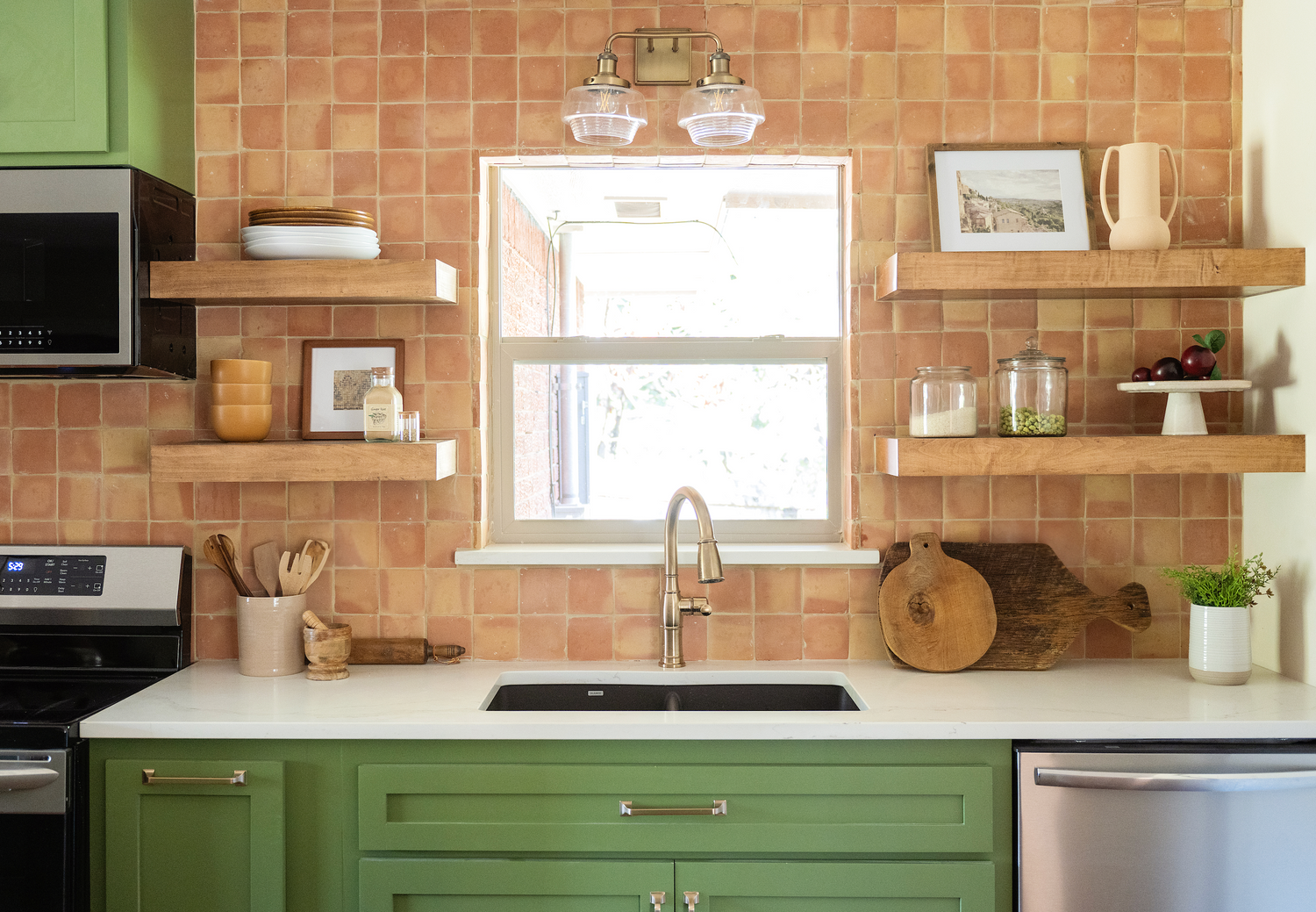
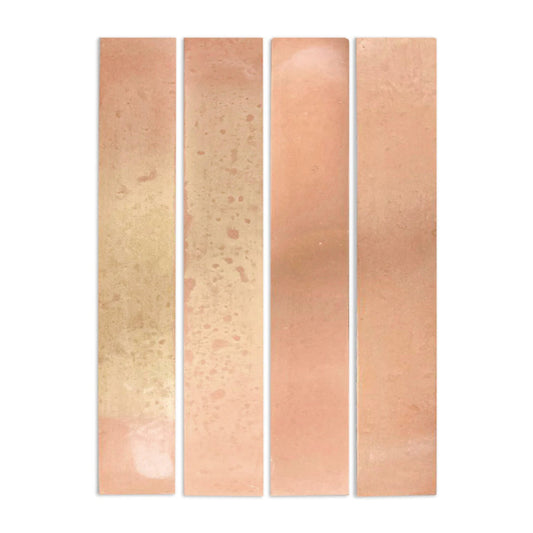
A spectrum of colors from blush, golden peach and sunny yellow.
Each piece, and batch, showcases its own unique color variations, a result of the natural firing process that introduces an unpredictable spectrum of shades. Larger pieces tend to showcase more color diversity compared to smaller tiles, enhancing the distinct charm of each tile.

TEXTURE
NATURAL VARIATIONS
Unique variations are telltale signs of Saltillo tiles, which are exclusive to authentic tiles, like ours.
It’s normal to find slight indentations, bumps, divots, scuffs, and even the occasional paw print on the surface of our tiles. You may find excess clay or minor chips around the edges or on the back of the tiles, as well as marks or lines. All of these are common for authentic, handmade terracotta tiles.
-
Smooth Matte 12x12
Loading price in sq.ft...Regular price $5.50Regular priceUnit price per -
Diamond Antique Matte 8
Loading price in sq.ft...Regular price $2.40Regular priceUnit price per -
Uvas Smooth Matte 4x8
Loading price in sq.ft...Regular price $4.20Regular priceUnit price per -

 ON BACKORDER
Smooth Matte 1.5x12
Loading price in sq.ft...Regular price $2.00Regular priceUnit price per -
Seersucker Matte 4x12
Loading price in sq.ft...Regular price $8.00Regular priceUnit price per -
Hexagon Antique Matte 4
Loading price in sq.ft...Regular price $2.00Regular priceUnit price per -
Smooth Matte 4x4
Loading price in sq.ft...Regular price $1.80Regular priceUnit price per -
Thin Brick Smooth Matte 2.5x8
Loading price in sq.ft...Regular price $2.40Regular priceUnit price per