Why Do Handcrafted Tile Glazes Vary?
Understanding the processes that help explain why glazed ceramic tiles may vary within an order and between...
Read More


Understanding the processes that help explain why glazed ceramic tiles may vary within an order and between...
Read More
Learn how to install an outdoor breeze block wall with this complete step-by-step DIY guide.
Read More


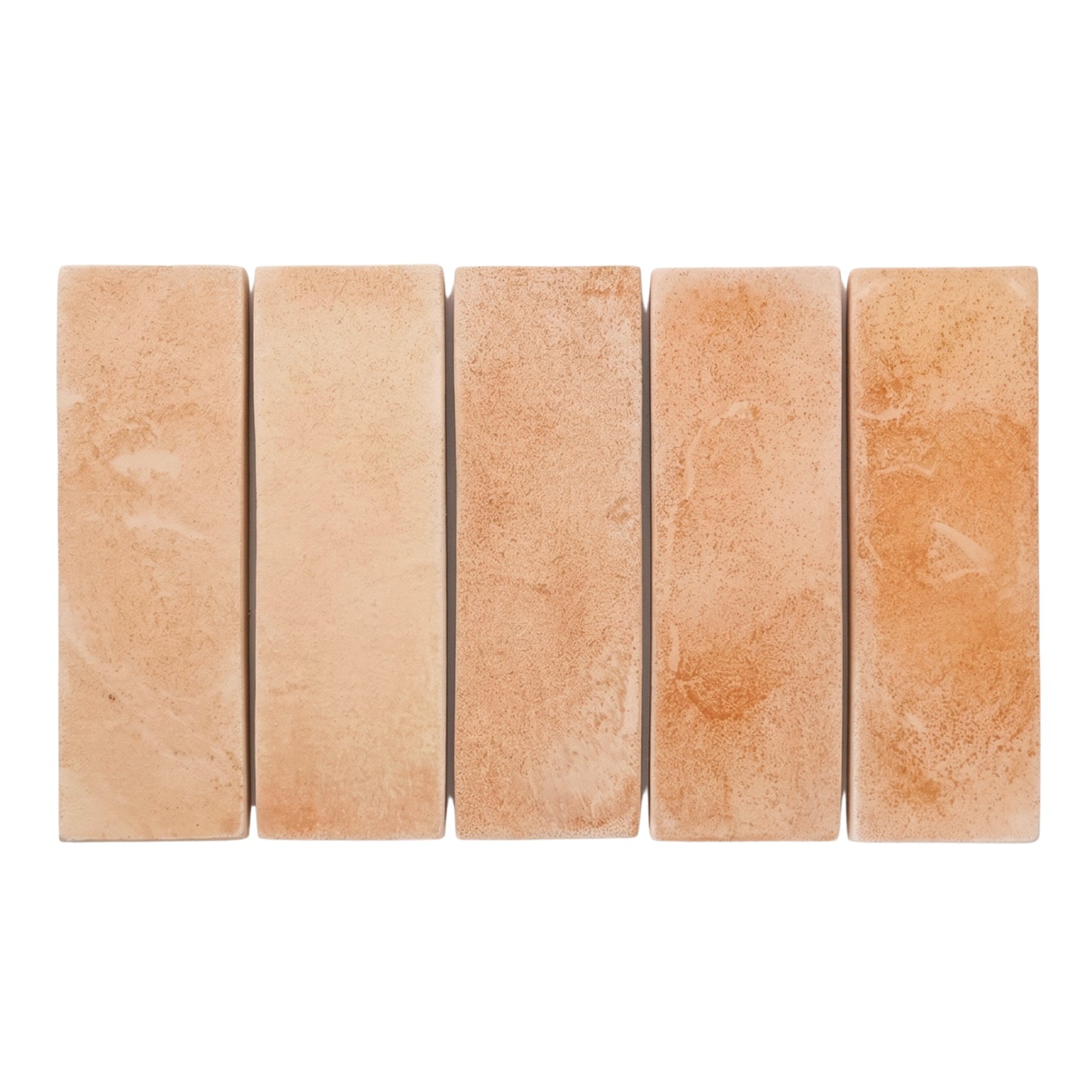
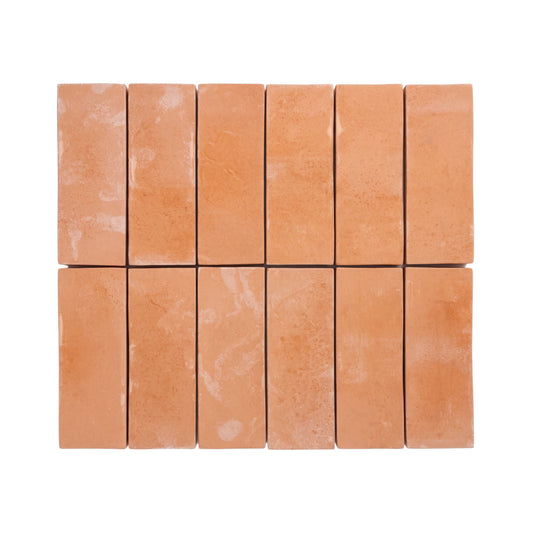
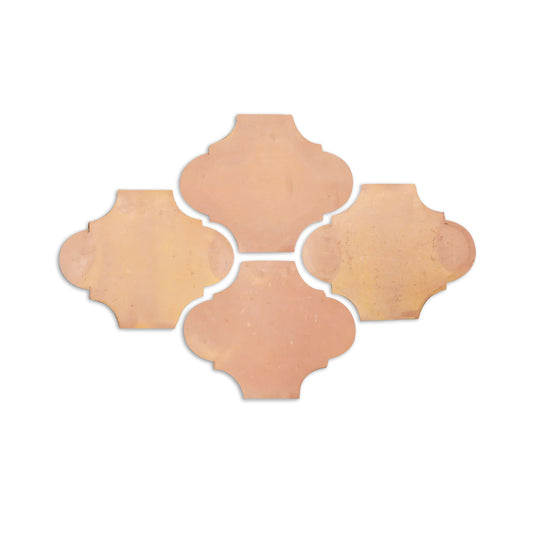
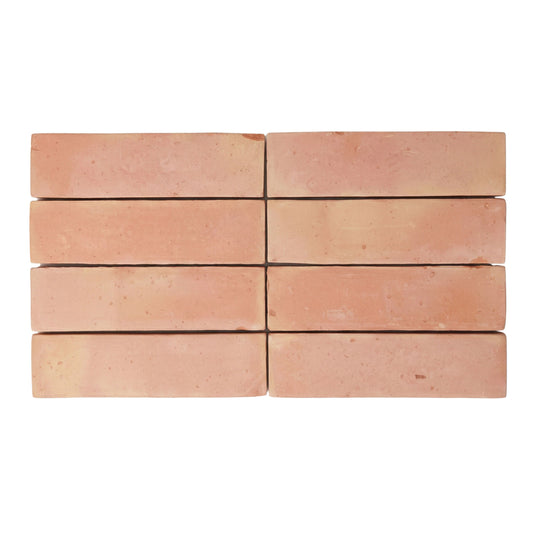
Handmade terracotta with a soft, natural finish. Matte sealed preserves the raw character of the clay while providing essential protection and an understated, low-sheen appearance.
Expect visible variation, texture, and movement that create a warm, organic installation designed to develop character over time.
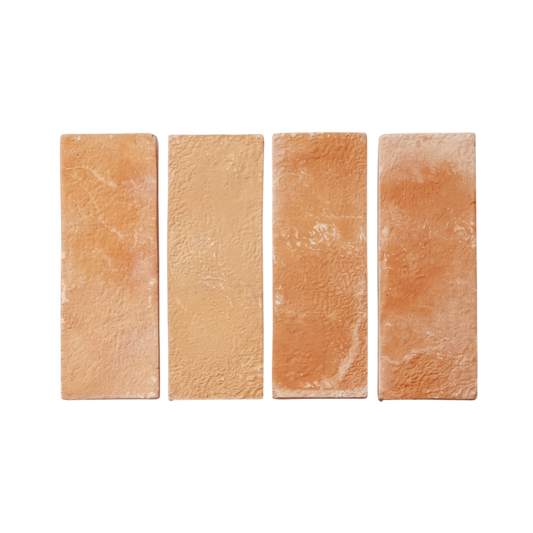
Each tile begins with natural clay that is pressed into molds and shaped by hand before being kiln-fired. Textured designs are created using herbs pressed directly into the clay, leaving behind organic impressions that make each piece unique.
From forming to finishing, the process is inherently hands-on, preserving the subtle irregularities and surface character of authentic handmade terracotta.
Matte sealed provides a low-sheen, natural finish that closely resembles traditional unsealed terracotta.
Because of its low sheen, the surface may highlight oils, stains, spills and markings more visibly.
A top coat sealer can be applied over time based on use and desired appearance.
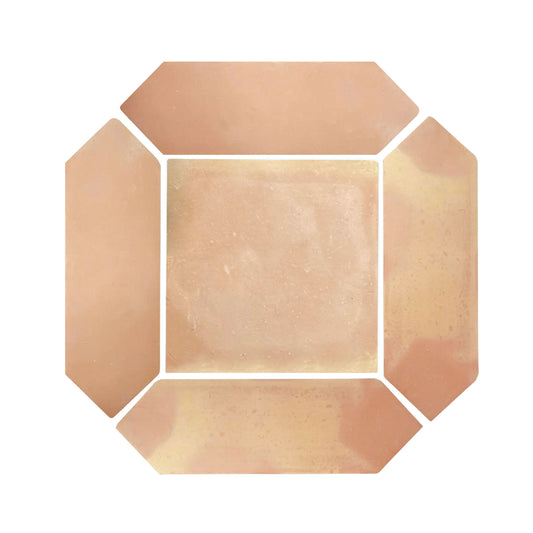
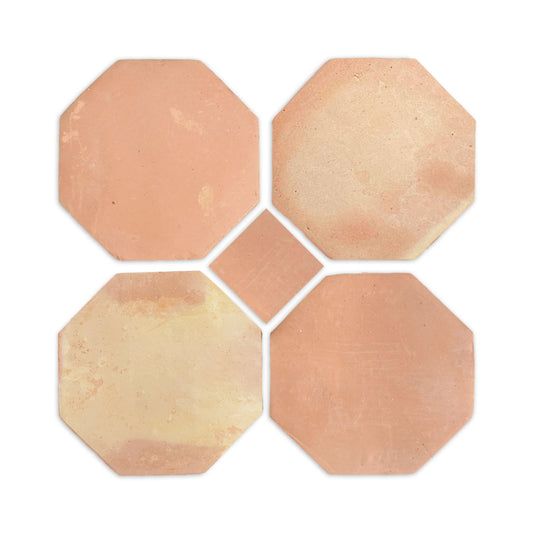
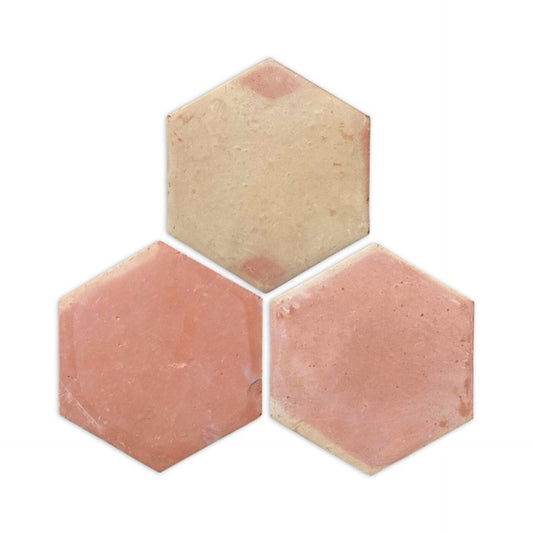
Each tile is individually formed from natural clay, resulting in variation in color, tone, size, thickness, flatness, texture, and surface character. Differences may be noticeable from piece to piece and between batches.
Natural characteristics may include surface pores, small indentations, irregular edges, minor chips, handling marks, subtle warping, tonal movement, and other markings created through forming and firing. Textured styles will show additional variation in the depth and placement of their organic impressions.
These characteristics are expected in authentic handmade terracotta and are not considered defects. For a balanced installation, blend tiles from multiple boxes before installation.
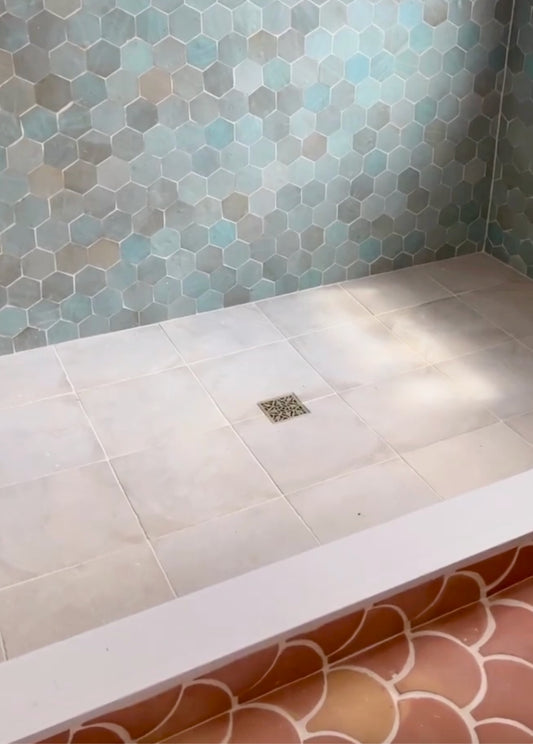
Terracotta is a living material that evolves over time.
With a matte finish, the aging process is more visible and expressive. Because the surface has less sheen, changes in tone, wear patterns, and use may appear more pronounced over time.
Areas of higher use may develop a deeper, more varied patina, contributing to a lived-in, natural look.
With proper care and maintenance, this evolution enhances the character of the material while maintaining performance.
Each installation will evolve differently depending on use, environment, and maintenance.