An editorial conversation with Kim Hanks of Whim Hospitality
Roam if you want to
Roam around the world
Roam if you want to
Without wings, without wheels…
- B-52s “Roam”
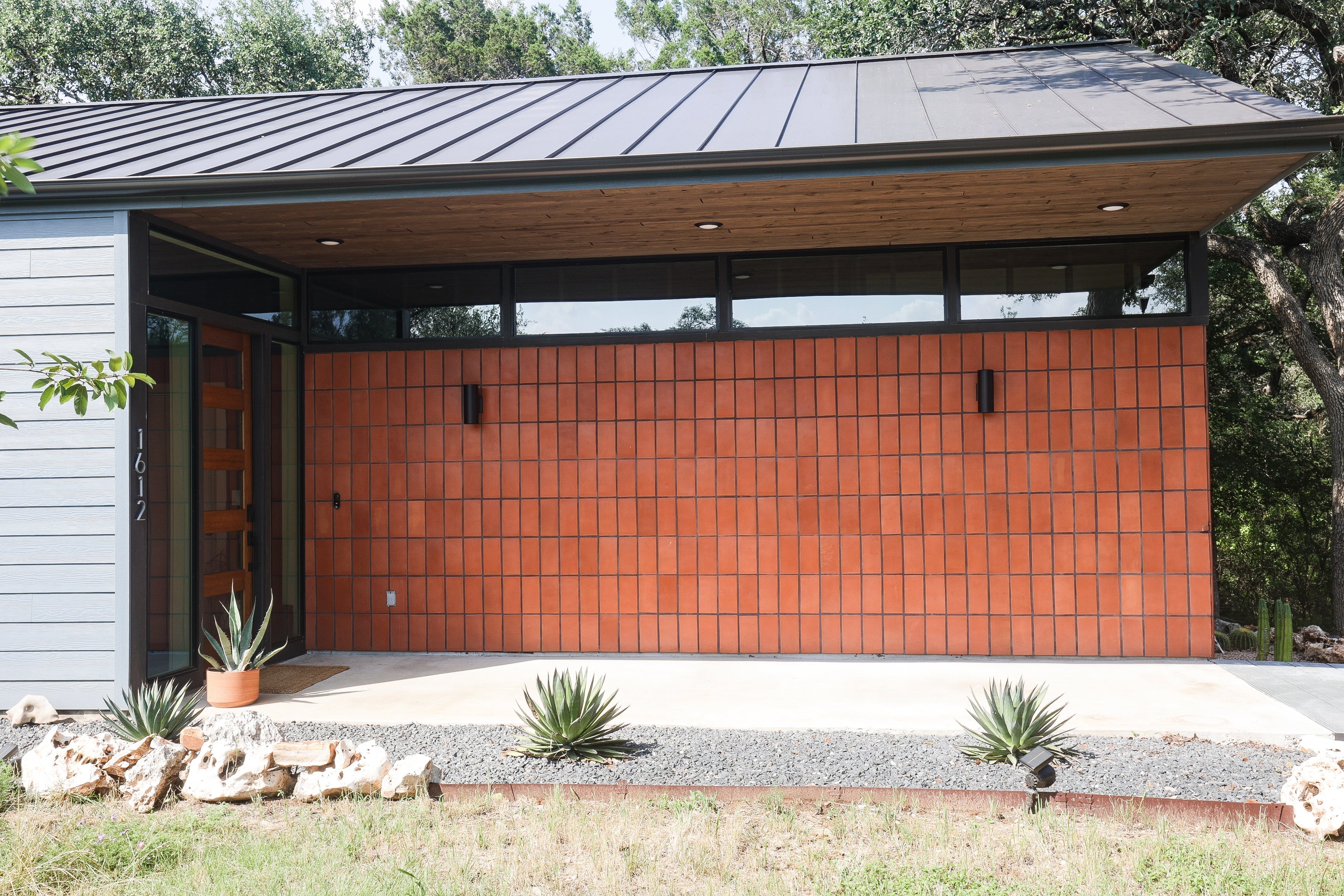
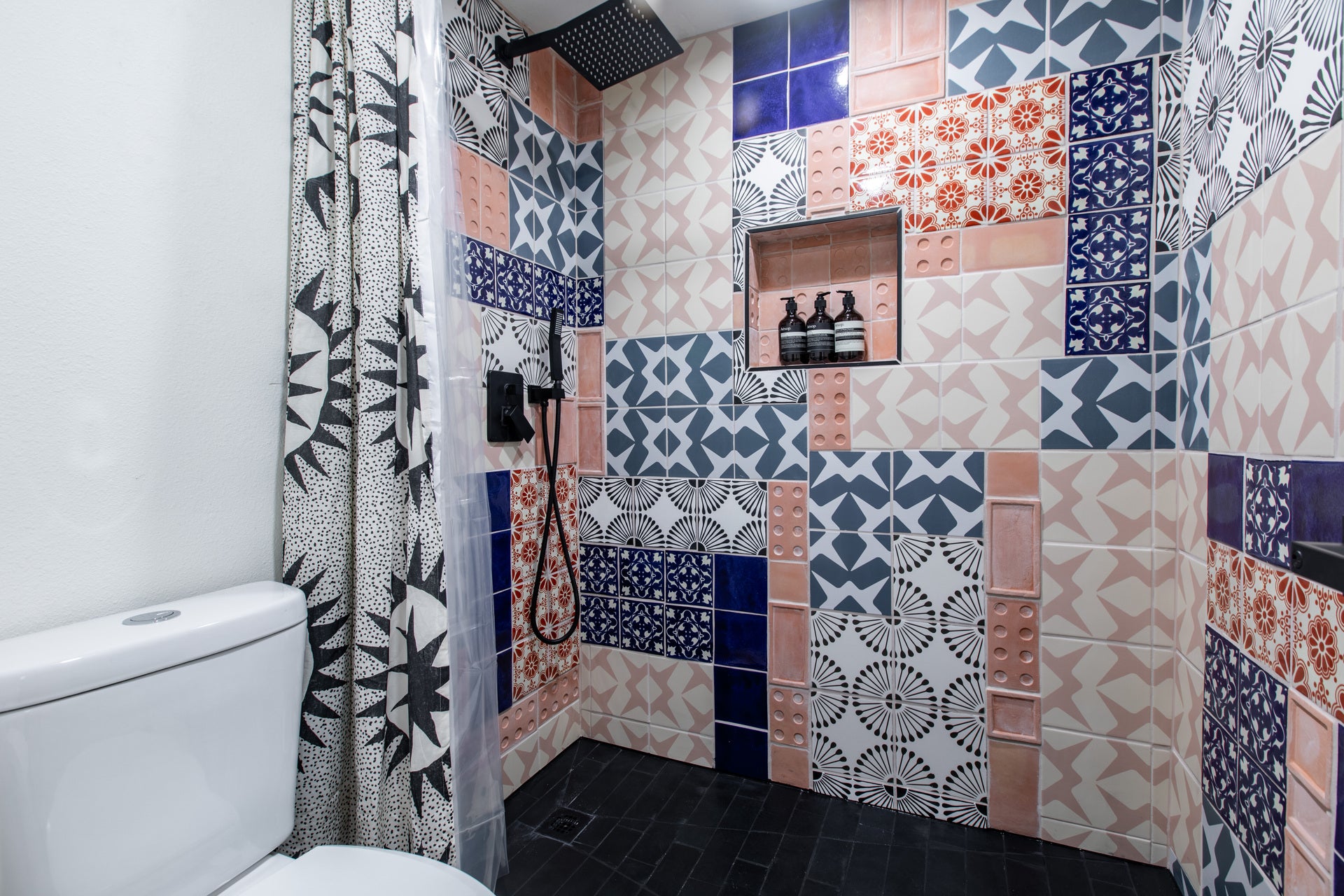
At Camp Lucy in Dripping Springs, Texas, stepping onto the property already feels like entering a different world. At Folklore Spa, that feeling deepens: whimsical handmade tile underfoot and on the walls, collected art throughout, and natural light pouring in from unexpected angles.
For Kim Hanks, co-founder and creative force behind Whim Hospitality, that transportive quality is intentional. “I’m wanting people to feel like they have traveled afar to get to our spa,” she says. “We have collected materials and art from around the world that is handmade… We wanted the human touch to be felt in every space.”
The result? A spa experience that blends global inspiration, antiques, bold color, and handcrafted tile into something deeply personal and unmistakably Camp Lucy.
- Designing a Destination: The First Impression at Folklore Spa
- How Travel Shapes Camp Lucy
- Why Tile Is Signature
- The Push and Pull: Bold Pattern Meets Calm
- Whimsy Without Losing Elegance
- From Restaurant to Spa: The Natural Next Chapter
- What’s Next: A Tiled Hammam
- Roam around the World

Designing a Destination: The First Impression at Folklore Spa
When Kim herself walks into a hotel or spa, she notices one thing immediately: natural light and color.
“Light, much like color, greets the guest as they enter the space before words are spoken.”
At Folklore Spa, natural light flows in from multiple angles. Where it can’t, color steps in. This interplay between light and palette creates a mood before a guest even checks in: warm, layered, and alive.
It’s a reminder that great hospitality design isn’t just about furniture or layout. It’s about the atmosphere.


How Travel Shapes Camp Lucy
Camp Lucy’s origin story is anything but conventional. The property, which famously features a restored Vietnamese town hall, as it exists today, was born from a family trip to Vietnam. That spirit of travel still shapes every expansion.
Family trips, museum visits abroad, and art collected overseas give each space its soul. “Travel and family are still common themes we draw upon when adding new spaces,” Kim explains.
This collected, transportive point of view defines Whim Hospitality’s design DNA. And protecting that DNA, even while growing, comes down to a winning aesthetic formula:
- Antiques
- Folk art
- Color
- Pattern
Together, they ensure Camp Lucy never feels cookie-cutter.

Why Tile Is Signature
If you’ve visited Camp Lucy or Folklore Spa, you know tile plays a starring role.
For Kim, tile is tactile. It’s emotional. It’s layered.
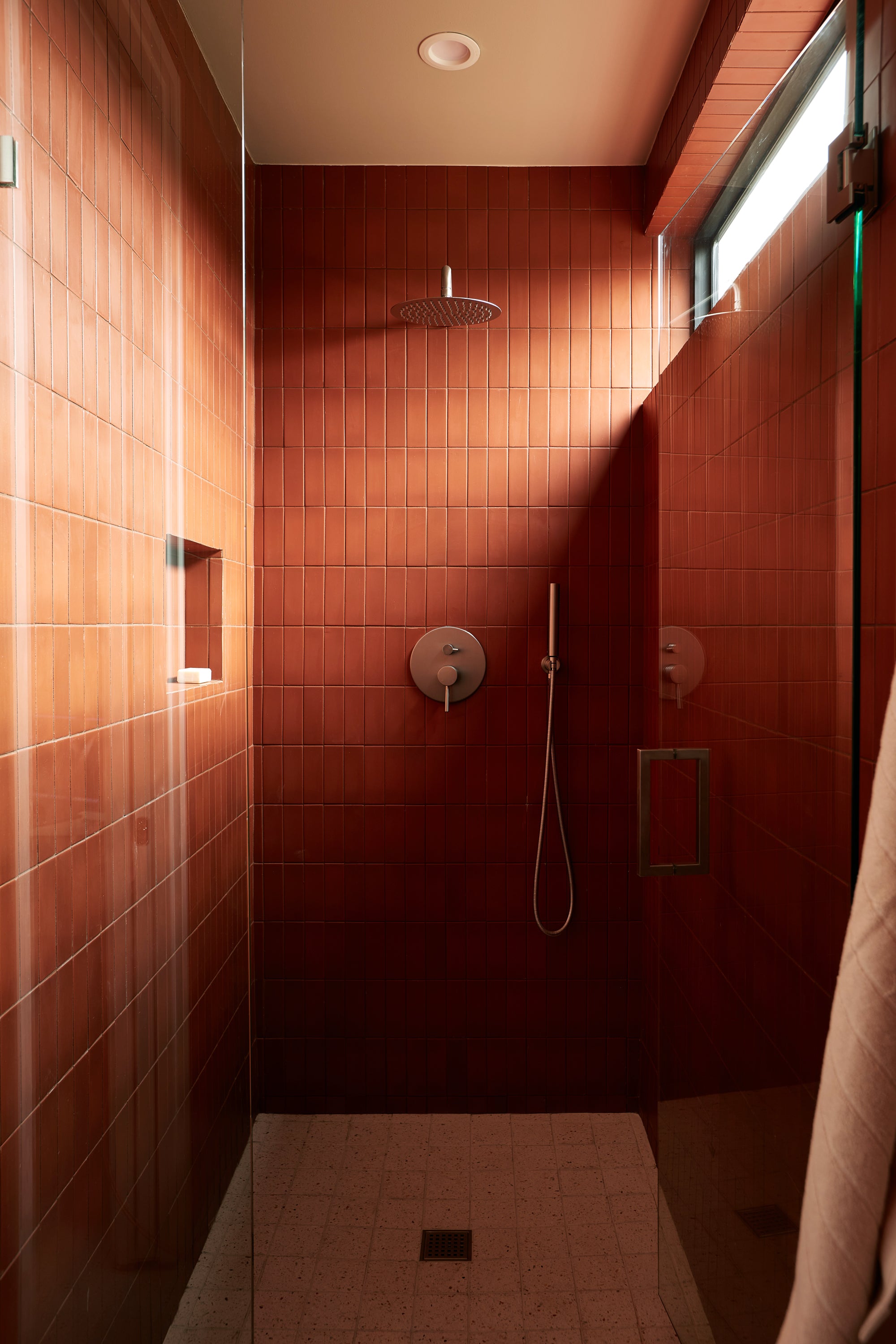
“Tile has so many different surfaces you can play with, a slick finish that gives a glossy effect to candy-colored tiles, natural terracotta tiles that feel cool and earthen underfoot.”
In commercial hospitality spaces like spas and boutique hotels, tile offers both durability and artistry. But for Kim, the draw is deeper:
“I choose tile for artistic reasons… I’ve always been drawn to ceramics and terracotta. It must be because I took a pottery class in my youth. I loved making the coils of clay smooth together to become something altogether different.”
Tile becomes storytelling, a handmade surface carrying memory and movement.
The Push and Pull: Bold Pattern Meets Calm
Folklore Spa is layered with bold wallpaper, colorful cabinetry, and statement tile, yet it never overwhelms.
Kim calls the balance between vibrant and soft moments the “push and pull of the space.”
When a room reaches its visual limit with color and pattern, she grounds it with softer tile choices, often handmade, slightly irregular shapes that bring warmth and restraint.
It’s a lesson in contrast:
- Bold wallpaper? Soften the tile.
- Glossy cabinetry? Add earthen texture underfoot.
That push and pull creates depth, and keeps whimsy elegant.
 Folklore Spa | Design Whim Hospitality | Photo Teal Thomsen
Whimsy Without Losing Elegance
Some tile moments at Folklore Spa feel playful yet refined, a tricky balance to strike.
Kim’s secret? Antiques.
“I feel you can do whatever you want in a space as long as you use antiques. The balance of old world or utility mixed with a colorful tile choice always works.”
Her favorite risk-turned-success? The green glossy subway tile in the men’s locker room.
“I was worried subway tile had peaked ten years ago, but using a high gloss finish really elevated the tile and made it feel fresh.”
It’s proof that even familiar materials can feel new again when handled with intention.

From Restaurant to Spa: The Natural Next Chapter
Folklore Spa didn’t happen overnight. Kim had been researching the addition of a spa for over a decade.
After opening Tillie’s, Camp Lucy’s beloved restaurant housed in a restored Vietnamese town hall, the timing felt right. Another Vietnamese town hall, waiting in storage, needed new life.
It became the spa.
The through-line? Restoration, reverence, and reinvention.

What’s Next: A Tiled Hammam
Looking ahead, Kim is dreaming even bigger in tile.
“I like tiling whole rooms,” she says. A future expansion could include a hammam, a Turkish-style bathing room, layered in rows of color.
Think immersive walls, rhythmic repetition, warmth reflecting off glazed surfaces. A space designed not just to be seen, but felt.
Roam around the World
Folklore Spa is the kind of place that makes the B-52s line feel true: roam around the world, without wings, without wheels. Through handmade tile, collected art, and spaces shaped by travel and memory, Kim Hanks has created a destination that feels transportive without trying too hard. Every surface holds intention: glossy moments that catch the light, earthen textures that ground you, patterns that feel playful but never chaotic. You don’t just check in, you drift from room to room, story to story, reminded that the best hospitality design doesn’t simply look beautiful. It makes you feel somewhere else.
 Share
Share
 Pin it