Choosing the Best Tile for Your Home: Clay vs. Cement
When selecting the ideal tile for your home, the choice often comes down to clay tiles vs. cement tiles. While both have their advantages, clay tiles stand out as the superior option due to their durability, timeless beauty, and eco-friendliness. At Clay Imports, we are passionate about the natural elegance and lasting quality of clay tiles; here’s why they are a great investment for your home.
- What Sets Clay Tiles Apart?
- Naturally Stunning & Everlasting Beauty
- Built to Last for Generations
- Low Maintenance, High Reward
- Environmentally Friendly & Sustainable
- Lightweight Yet Strong
- Timeless Appeal for Any Aesthetic

Clay tiles require no extra sealing and offer long-term durability.
What Sets Clay Tiles Apart?
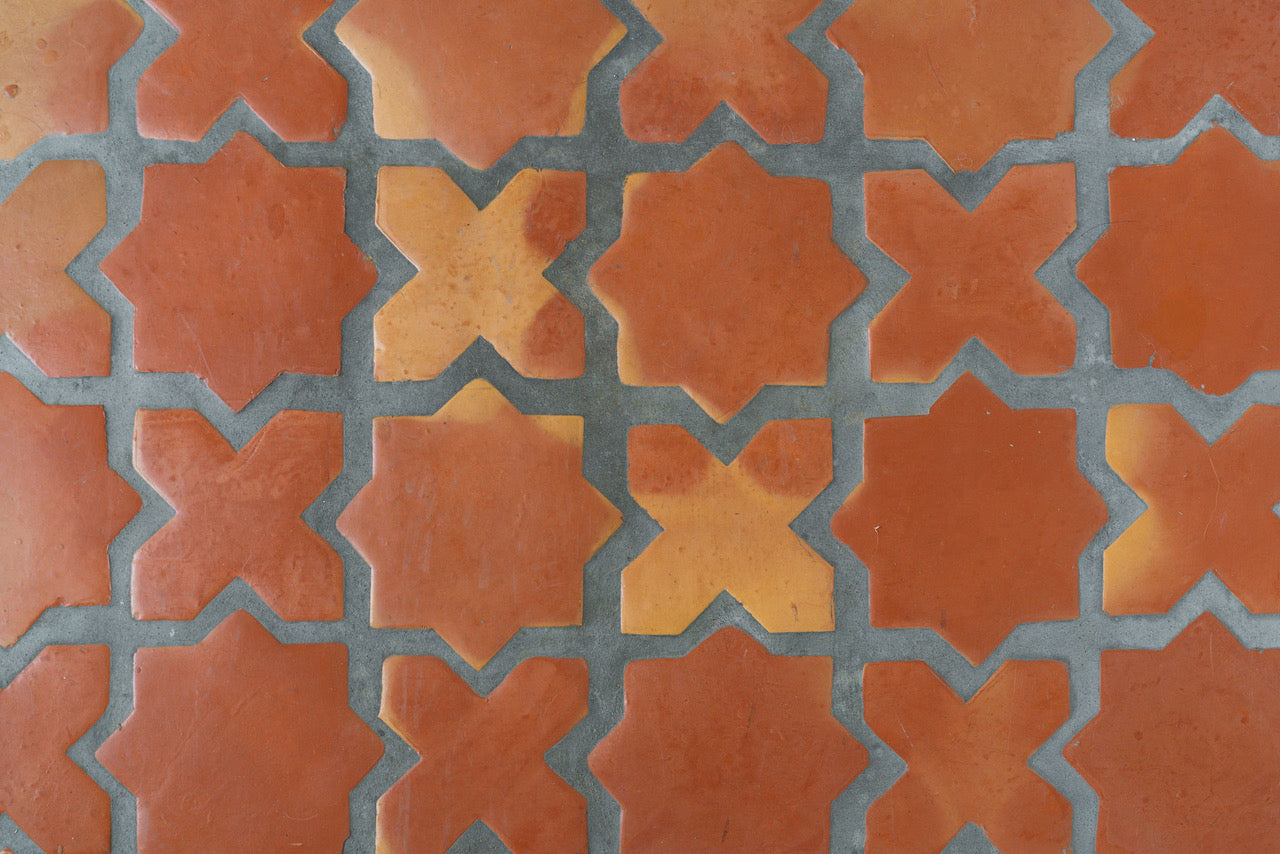
Clay Tiles: Crafted from natural clay, which is molded, glazed, and kiln-fired at high temperatures for a durable finish.
Cement Tiles: Made from a mix of cement, sand, and pigments that are poured into molds and cured (not fired).
Unlike high-maintenance, porous cement tiles, clay tiles are easier to install, require no extra sealing, and offer long-term durability.

Design MB Sullivan | Just Right Architecture | Builder Hilltown Building | Photo Madeline Harper
Naturally Stunning & Everlasting Beauty
Cement tiles have long been used for their rich, vibrant tones and natural variations. However, unlike cement tiles that rely on surface pigments that fade over time, clay tiles maintain their glazed-on color for decades.
Clay Tiles: Feature a smooth, matte or gloss finish with moderate color variation.
Cement Tiles: Tend to develop a patina over time due to color changes and surface wear.

La Maya Restaurant | Photo Luda Ronky | Design April and Gabrielle Wilson
Built to Last for Generations
If longevity and minimal wear is a priority, clay tiles are the ultimate investment. Kiln-fired at high temperatures, they become incredibly strong and resistant to wear. Unlike cement tiles, which are more porous and susceptible to moisture damage, clay tiles naturally repel water, preventing cracking, staining, and mold growth.
Clay Tiles: Highly durable, resistant to fading, and can last for decades with minimal maintenance.
Cement Tiles: More porous and require periodic resealing to prevent stains and moisture damage.

Modern kitchen backsplash | Photo Jane Ko
Low Maintenance, High Reward
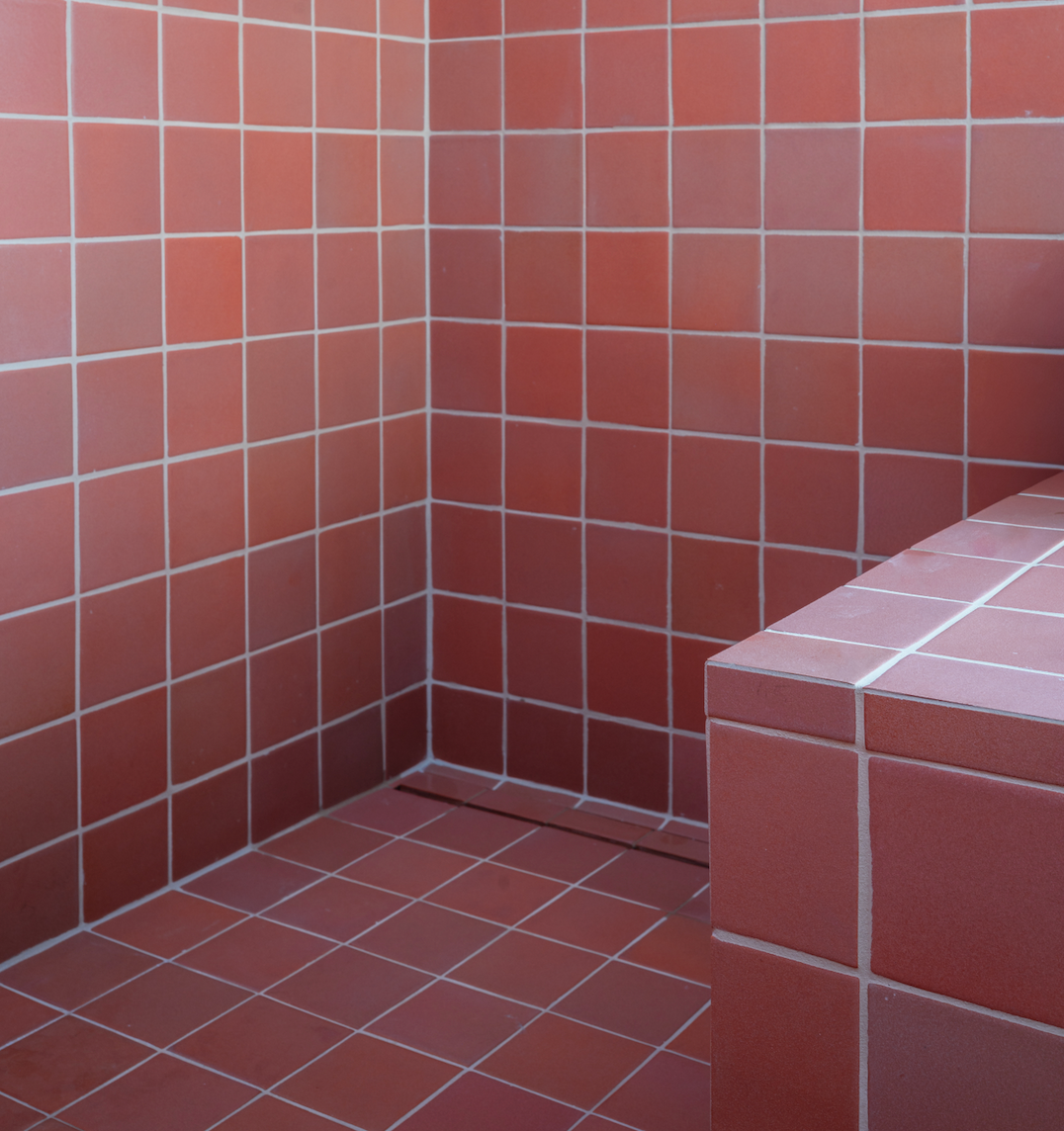
Nobody wants to spend hours sealing and resealing their floors. Unlike cement tiles, which require frequent maintenance, glazed clay tiles are naturally resistant to dirt, stains, and moisture, making them an easy-to-care-for choice.
Clay Tiles: Require minimal maintenance and remain vibrant over time.
Cement Tiles: Need regular resealing to prevent moisture damage and fading.

Davey McEathron Architecture | Photo Jeremy Doddridge
Environmentally Friendly & Sustainable
In a world that values eco-conscious choices, clay tiles are an excellent sustainable option. Made from natural materials and traditional techniques, they have a lower carbon footprint compared to cement tiles, which require energy-intensive cement production.
Clay Tiles: Eco-friendly and biodegradable, reducing landfill waste.
Cement Tiles: Require energy-heavy cement production, increasing environmental impact.
Lightweight Yet Strong
While both clay and cement tiles are heavier than standard flooring materials, clay tiles offer a balanced weight-to-strength ratio. They provide durability without the excessive weight of cement, making them easier to install and less stressful on your home’s structure.
Clay Tiles: Lighter than cement tiles, making them easier to ship and install.
Cement Tiles: Heavier, requiring stronger structural support.

Design Harper Duddy | Amy Pigliacampo
Timeless Appeal for Any Aesthetic
Whether you love Mediterranean, Spanish-style, or modern minimalist designs, clay tiles seamlessly complement any aesthetic. From kitchen backsplashes to outdoor patios and bathroom floors, their versatility allows for endless design possibilities.
Clay Tiles: Suitable for high-traffic and wet areas, maintaining their look over time.
Cement Tiles: Can be used in high-traffic areas but will show signs of wear and fading.

Epic Wood Work Showroom | Design Northern Tori Interiors
Experience the Clay Difference
Choosing clay tiles is more than just a design decision, it’s an investment in quality, longevity, and sustainability. At Clay Imports, we offer a curated selection of handcrafted clay tiles that enhance any space with beauty and durability.
Ready to elevate your space with premium clay tiles? Explore our collection today!