Appreciate the natural wear of handmade tiles
By Clay Imports
We live in times where almost everything is mass-produced and made almost instantly. This, of course, can provide us with a plethora of items and materials in no time, giving us more choices and options. However, there are many people who enjoy the contrary: small handmade batches that have natural and unique imperfections made by hand and made to last. These details not only are synonymous with a natural product but are also among the most beloved traits in design.
At Clay Imports, we celebrate these timeless qualities, none more so than patina, a beloved hallmark of terracotta tile.
If you’ve ever admired the lived-in beauty of worn leather or the rich hues of an antique floor, you’ve already appreciated patina. But what exactly is patina in tile? And how is it different from surface damage or crazing? Let’s take a closer look.

What’s Patina?
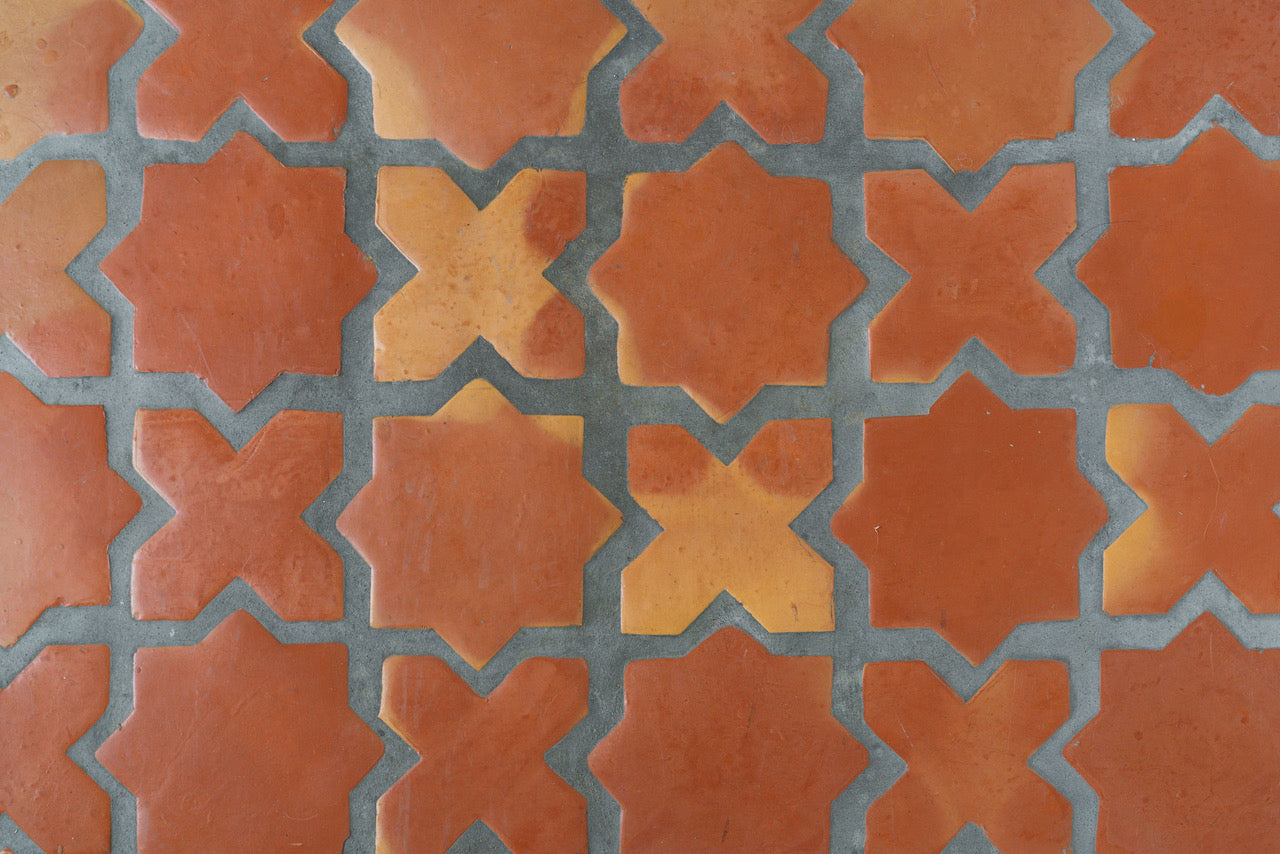
Patina is the natural aging process that adds depth, texture, and character to a surface over time. On materials like wood or metal, it can appear as a warm sheen, tarnish, or weathered finish. With terracotta tile, patina develops through everyday exposure to light, moisture, and foot traffic.
You might see:
- Gentle softening of color
- Fine surface changes in texture or sheen
- Light scuffs or mellowed finishes in high-traffic zones
This transformation is not instant. It happens slowly, organically, making each tile installation feel more grounded, storied, and real. Unlike artificial "distressed" finishes, true patina can't be manufactured. It's a reflection of life lived on the surface.

Patina vs. Crazing: What’s the Difference?
While both patina and crazing are natural features of handmade tiles, they’re not the same thing:
Patina is the result of wear and time, most noticeable in unglazed or sealed tiles like terracotta. It develops gradually. Patina only comes with use.
Crazing appears in glazed tiles as a delicate web of fine cracks in the glaze. It’s a result of differences in thermal expansion between the glaze and the tile body. Crazing may happen early in a tile’s life, even during the manufacturing process.
Both are inherent characteristics of handcrafted ceramic materials, not defects. In fact, many designers and tile lovers seek them out for their authentic charm.
Curious about crazing? Explore our full article on crazing here.
Is It Patina or Tile Damage?
Understanding the distinction between patina and actual damage is key to caring for your tiles.
Patina:
- Appears gradually and evenly. These changes are often uniform and contribute to the character and charm of the tiles.
- Includes light wear like softened finishes, or slight texture changes
- Slight changes in coloration and sheen
- Adds character and charm
Patina is more likely to develop gradually and uniformly across the surface of the tiles, especially in the areas where the tile is more exposed or heavier foot traffic.
Damage:
- Often sudden or localized (chips, cracks, deep gouges)
- May show irregular, or spotted discoloration from moisture, reactions, impact, or poor sealing
- Can indicate issues below the surface or a lack of proper maintenance
Damage can often be found in specific areas of the tile that have experienced impact, wear, or shifting beneath the tiles. If the surface appears rough, feels deeply worn, or shows uneven spread, it may indicate actual damage. In such situations, it's advisable to examine your tile sealant or the method used for installation.
Properly maintained tiles are less likely to develop significant damage over time and will be well preserved, despite possible patina. To protect your tiles and ensure a beautiful, natural patina, not deterioration, use the right care products. Our Clay Care products including sealers, cleaners, and everything you need to maintain handmade tiles.

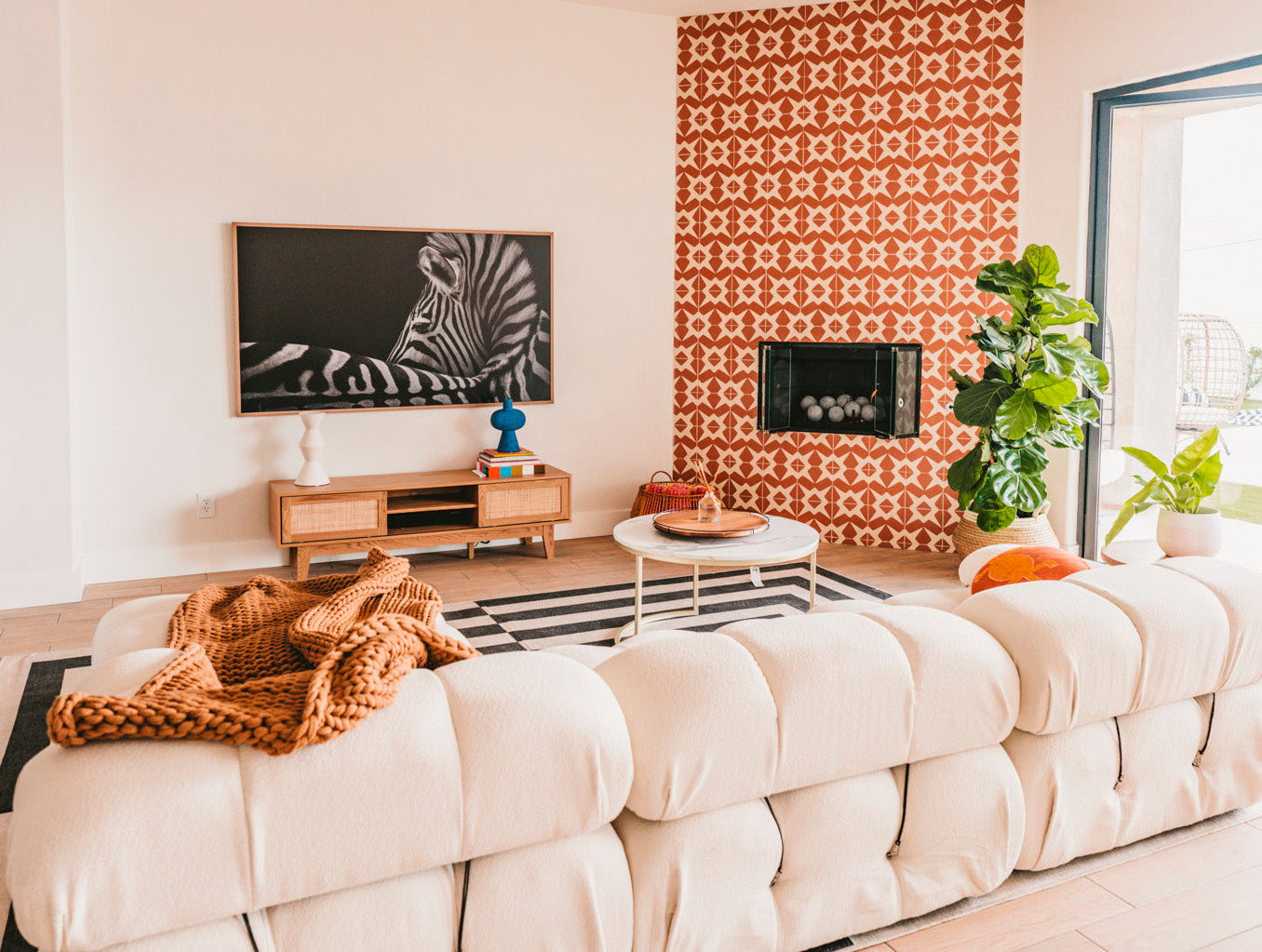
Design by Stampworthy Goods
Embracing Patina in Your Space
Patina is one of the most recognized and cherished tile features that can add a new layer of design to your terracotta installations. Patina adds soul to tile installations. Whether you’re designing a rustic kitchen, a weathered patio, or a cozy entryway, terracotta’s evolving character can elevate your space.
When choosing handmade tile, it’s important to expect and embrace variation. These shifts in color and surface finish are what set authentic, artisan-made tiles apart from machine-made alternatives.
Want to see for yourself? Start with samples. You’ll notice how no two tiles are exactly the same, and that’s the point.
Ready to Discover the Beauty of Patina?
Whether you're drawn to terracotta for its warmth, variation, or time-earned texture, there's no better way to add richness and history to your home.
Browse our digital catalog, or check out our tile care guides for tips on maintaining that surface over time.
Still have questions? We’re happy to help. Reach out to us at contact@clayimports.com to talk tiles.